What is ASD (Atrial Septal Defect)?
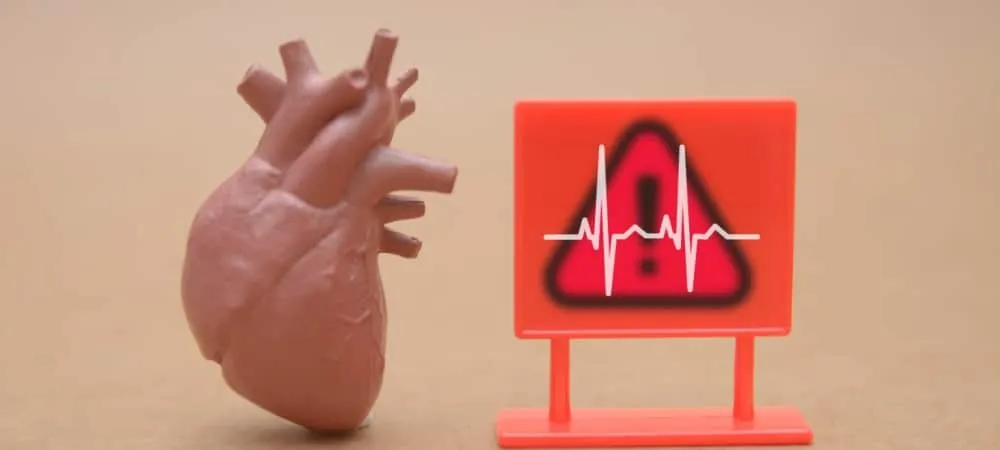
Atrial septal defect (ASD) is a congenital septal defect seen between the right and left atria of the heart, commonly known as a hole in the heart. In a healthy individual, there is a wall that prevents passage between these chambers, but in ASD, an opening exists, and this opening can cause oxygen-rich arterial blood and oxygen-poor venous blood to mix. This condition can increase the burden on the heart and lungs in direct proportion to the size of the hole.
The course of the disease varies depending on the size of the opening seen in ASD. When an atrial septal defect is small, it usually does not show symptoms and may close on its own over time. ASD is mostly noticed incidentally. While this defect normally closes shortly after birth, the size of the opening may change over time.
Defects defined as medium and large can show serious symptoms that affect daily life activities. Atrial septal defect is noticed in newborns by hearing a heart murmur during routine examinations. It is characterized by symptoms such as shortness of breath upon exertion, easy fatigue, and a feeling of palpitations in the heart during childhood or later ages. Unless a treatment plan is created for these symptoms, it may pose a risk for rhythm disorders, stroke, and various heart diseases in later ages.
What Are the Symptoms of ASD?
Although atrial septal defect (ASD) is a congenital heart disease, it may not show symptoms until adulthood. A defect of 5 mm is defined as a small gap and does not cause any symptoms as it will not strain the heart and lungs in the long term, but a hole such as a 13 mm atrial septal defect is generally considered medium-sized and requires treatment in most cases.
The size of the hole diameter will also increase the frequency of symptoms in the person; therefore, in large defects, ASD atrial septal defect surgery may be recommended to prevent damage to the heart and lungs. For these and many other reasons, ASD symptoms manifest with different signs in childhood and adulthood. While ASD disease symptoms manifest themselves with a heart murmur during a routine check-up in children, symptoms in adults can be long-term and complex. At the forefront of these symptoms are frequent lung infections, easy fatigue during feeding, headaches and migraine attacks, and edema in some parts of the body. Other common ASD heart disease symptoms are as follows:
Shortness of breath related to exertion
Feeling of palpitations and activity intolerance
Rapid breathing
Loss of strength in the arms and legs
Developmental delay in infants and children
Swelling in various areas such as legs, feet, and the abdominal region
Anomalies related to heart rhythm
Weakness and easy fatigue
Small-diameter ASDs usually do not show symptoms and may be detected incidentally by the physician during routine examinations; however, as the pressure on the heart and lungs increases in large ASDs, these symptoms become more pronounced and can lead to serious health problems in later ages. For this reason, individuals suspected of having ASD should be evaluated by a cardiology specialist.
What Causes ASD?
ASD occurs if the wall between the ventricles does not fully develop or leaves a defect during the formation of the heart in pregnancy. Failure of this defect to close causes more blood than normal to be pumped from the right side of the heart to the lungs after birth, which can lead to risky situations over time, such as enlargement in the ventricles of the heart and high pressure in the pulmonary artery.
This condition, which causes the heart and lungs to work harder, can cause damage to these organs if left untreated. In addition to reasons such as the expectant mother's use of alcohol and cigarettes and not eating a sufficient and balanced diet during pregnancy, some diseases seen in the mother can cause atrial septal defect in the baby. Some of these are as follows:
Diabetes
Lupus disease
Rubella contracted during pregnancy
ASD disease is associated with genetic factors and the expectant mother during the pregnancy period and may show familial transmission in some cases. ASD accounts for 15% of all congenital heart defects. It is considered an idiopathic heart disease, and its cause is not known with certainty.
How Is ASD Diagnosed?
ASD diagnosis can sometimes be made in the womb in cases where the opening is advanced, and after birth in cases where it is smaller; however, in most cases, it is diagnosed in adulthood because severe signs and symptoms are not seen in the early period. Atrial septal defect produces a heart murmur characterized by increased blood flow to the right side of the heart during inspiration. This sound can be diagnosed by a physician with a stethoscope. In addition, congenital heart diseases and conditions such as ASD can be clearly diagnosed through examinations such as echocardiography (ECG), chest X-ray, computed tomography, and transthoracic echocardiography performed during the diagnostic process.
Transthoracic echocardiography can be considered one of the basic imaging tests in the diagnosis of ASD. With the image created by sound waves, the chambers of the heart can be examined in detail, and the pumping power of the blood can be measured. In addition, defects in the valve and wall structure can also be viewed. Transthoracic echocardiography is important for both examination and treatment planning in the diagnosis of ASD.
How Is ASD Treated?
Many atrial septal defects can close on their own in the early period. Treatment may not be required for defects that do not close and are seen below 5 mm, but defects that are determined to be permanent and large must be treated. A treatment plan is made by measuring atrial septal defect values in detail with imaging methods such as cardiac ultrasound. If there is no situation requiring emergency intervention in infants, the family is given the necessary training, and the patient is kept under follow-up, considering the possibility of the hole closing over time.
In severe cases and cases that pose a life-threatening danger, intervention is performed with ASD atrial septal defect surgery. Open heart surgery may not be preferred in every case for ASD surgery. In cases where there is no other anomaly in the heart, a different procedure can be applied solely to close the defect. With this procedure, the surgeon can place an ASD closure device into the heart via a special catheter for the procedure. The procedure is performed with a small incision made in the groin. Then, the catheter enters the vessel from this incision and is transmitted to the heart. The device is placed in the appropriate place, thus the defect in the heart is closed. This procedure is not a surgery; it is performed in the angiography room, and usually, one day is spent in the hospital; the risk of the procedure is low. This operation may not be suitable for every case. In some cases, open heart surgery may be preferred. The size of the ASD is an important factor in deciding which surgical operation will be performed.
In cases where it is not possible to close the hole with angiography, an open heart surgery procedure is applied. During the surgery, the specialist physician makes an incision in the patient's chest area and reaches the heart directly through the ribs. They find the defect in the septum and close the gap by suturing it with an appropriate patch. Since the heart cannot perform its duty during the surgery, a heart-lung machine is used; the risk of the surgery is low. Re-opening of the defect is rarely seen. Although complications of atrial septal defect closure are rarely seen after the procedure, risks such as rhythm disorders or clot formation may occur. Some routine medications may need to be used before and after angiography or open heart surgery. It is important to use the medications prescribed by the physician correctly and at the right time.
Frequently Asked Questions
ASD, known as a hole in the heart among the public, is one of the openings seen during pregnancy. It is expected to close on its own shortly after birth for the heart to continue its function correctly. If this opening does not close, it remains as a hole, and this is called an atrial septal defect. ASD is a congenital heart disease. ASD usually does not show symptoms in children. The most common symptom seen in children is a heart murmur. This sound can be heard with a stethoscope during a routine check-up and is noticed in this way. Usually, ASDs close on their own. The probability of spontaneous closure in the first 1.5 years is 80%, and it is expected to close by childhood. In the adult period when ASD does not close, ASD manifests itself with symptoms that will affect the person's daily life. Surgery may not be required for every ASD diagnosed. The specialist physician makes the decision for surgery according to the size of the hole, symptoms, and the risk of complications. The ASD closure procedure may not be performed with open heart surgery in every case. Sometimes, a smaller-scale procedure, such as closing the defect using a catheter with a procedure called angiography, can be performed. In the later process, right ventricular dysfunction may develop in large and untreated ASDs with an increase in right heart volume, and this may lead to heart failure depending on the course of the disease. ASD is also seen in adults. Usually, holes that have not closed and have a small diameter are diagnosed incidentally or when symptoms begin to appear in adulthood without being noticed in childhood. Medium or large ASDs that have not been intervened early can manifest themselves with findings that may carry a life-threatening risk in adulthood. Children diagnosed with ASD can continue their activities depending on the size of the defect, the presence of symptoms, and the general condition of the heart. In medium and advanced defects, a cardiology specialist should be consulted before exercising due to the risk of heart failure and rhythm disorder. Individuals with ASD who are followed up appropriately and treated when necessary can usually lead a normal life. Regular cardiological check-ups, follow-up, and individual risk assessment are important throughout the course of the disease.
If you have been diagnosed with shortness of breath upon exertion, easy fatigue, or a heart murmur, you may need to be evaluated for ASD. You can consult our Cardiology specialists to learn whether an atrial septal defect poses a risk for you and to get information about the most appropriate treatment options. Early diagnosis is of great importance in protecting heart and lung health.
Contact us to make an appointment and for detailed information.
Start with the right assessment for What is ASD (Atrial Septal Defect)? Symptoms and Treatment of Heart Hole
Share your symptoms with our specialist physicians; let us determine the right diagnosis and treatment plan together.
Warning
If your symptoms started suddenly, are progressing rapidly, or significantly restrict your daily life, consult a physician without delay.
Plan your What is ASD (Atrial Septal Defect)? Symptoms and Treatment of Heart Hole journey with our specialists.
Fill in the form or book an appointment to learn about treatment options, the process and preparation.