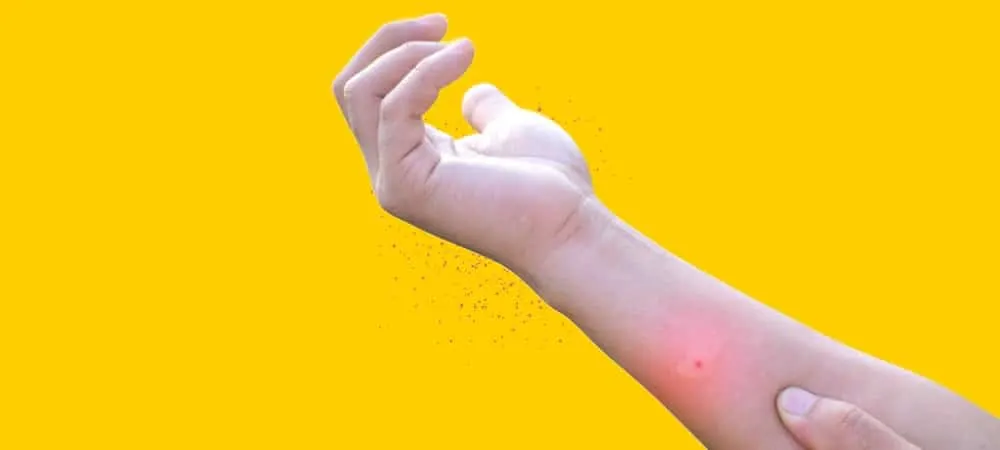
Bee Sting
Bee stings are a common occurrence that can happen to anyone spending time outdoors, especially during the warm months when bees are most active. While most bee stings cause temporary pain and mild discomfort, they can lead to more serious reactions, especially in individuals with an allergy to bee venom. Understanding the nature, symptoms, and appropriate treatment methods for bee stings is very important for everyone, as it can help manage the situation effectively and save lives in severe cases. You can read on to get more detailed information about bee stings.
What is a Bee Sting?
A bee sting occurs when a bee injects venom into your skin through its stinger. Bees sting as a defense mechanism when they feel threatened or perceive a danger to their hive. Unlike some other stinging insects, honeybees can only sting once because their barbed stinger remains in the skin, causing the bee to die. Other species, such as wasps or hornets, can sting multiple times because their stingers do not detach. The honeybee's stinger continues to pump venom for several seconds after the initial sting, which is why quick removal is important.
The venom secreted during the sting contains proteins that affect skin cells and the immune system, causing pain and swelling. These proteins can also trigger allergic reactions in some individuals. Bee stings are more common near gardens, parks, or flowery areas where bees are active.
What Are the Symptoms of a Bee Sting?
The symptoms of a bee sting can vary depending on the individual's sensitivity to bee venom. For most people, a sting causes mild to moderate local reactions. Bee sting symptoms can be listed as follows:
Mild Reactions: The initial reaction to a bee sting includes sharp, burning pain at the site of the sting. Along with the pain, redness, swelling, and warmth develop around the sting area. A small white spot usually appears at the exact point where the stinger entered the skin. The initial symptoms develop within seconds of being stung. Some people may also experience itching after a bee sting. Mild symptoms subside within a few hours to a day.
Moderate Reactions: Some individuals may experience more pronounced swelling that extends beyond the sting area. For example, a sting on the hand may cause the wrist to swell. These symptoms last longer and can persist for up to a week.
Severe Allergic Reactions (Anaphylaxis): In rare cases, bee stings can lead to anaphylaxis, a potentially life-threatening allergic reaction. Symptoms of anaphylaxis include difficulty breathing, swelling of the throat or tongue, rapid pulse, dizziness, nausea, and a sudden drop in blood pressure. Immediate medical attention is required in these cases.
What Are the Side Effects of a Bee Sting?
Although most people experience only mild discomfort after bee stings, various side effects can occur depending on the individual's health and immune response. If the sting site is not cleaned properly, bacteria can enter and lead to an infection. Symptoms of infection include increased redness, pus, and worsening pain in the area. Some people experience fatigue and general malaise after a bee sting. Mild nausea or headaches may occur, especially if the sting is on the head or neck area.
Beyond local symptoms, some individuals may develop hives, widespread swelling, or difficulty breathing. Such situations require emergency medical intervention. Especially in the case of being stung by a swarm of bees, the injection of a large amount of venom into the body can lead to toxic reactions.
Symptoms include headache, fever, vomiting, and convulsions. In some cases, individuals may develop swollen lymph nodes near the sting site. This is a normal immune response but can be alarming for those unfamiliar with it. Some people may experience delayed reactions appearing a few days after the initial sting. These may include serum sickness-like symptoms such as fever, joint pain, and rash.
What Are the Dangers of Bee Stings?
The most serious danger from bee stings stems from allergic reactions, which can range from mild to life-threatening. Anaphylaxis is a severe allergic reaction that can occur within minutes of being stung and requires emergency medical intervention.
Symptoms of anaphylaxis include difficulty breathing, swelling of the throat or tongue, dizziness, rapid pulse, and a sharp drop in blood pressure. It is important for those with severe allergies to carry an epinephrine auto-injector with them at all times.
Multiple bee stings can be dangerous even for non-allergic individuals. A large number of stings can introduce enough venom to cause systemic toxicity and lead to nausea, vomiting, diarrhea, headache, fever, and in severe cases, seizures or organ failure. This situation is especially concerning for children, elderly individuals, or those with underlying health conditions. Infection is another potential hazard, though relatively rare. If the sting site becomes infected, more pain, redness, warmth, and swelling than typical may develop. Pus may form at the sting site, and red streaks may appear extending from the area, indicating the need for medical intervention and possibly antibiotic treatment.
What is Good for a Bee Sting?
Treating a bee sting quickly and effectively is important to relieve discomfort and prevent complications. If you have been stung by a honeybee, you should start by removing the stinger. Instead of squeezing or pulling it out by hand (which can cause more venom to be released), it is important to remove it gently with sterile tweezers without squeezing.
Once removed, the area should be cleaned with soap and cold water to prevent infection. You can reduce swelling and relieve pain by applying a cold compress or an ice pack. This can be done for 10-15 minutes several times a day as needed.
For itching and discomfort, oral antihistamines can also help reduce itching and swelling. Some people may find relief by applying honey, aloe vera gel, cold yogurt, or tomato, but scientific evidence for these treatments is limited. Additionally, products containing hydrogen peroxide or alcohol should not be applied.
Prevention is also very important. When outdoors, it is necessary to avoid wearing bright colors or floral patterns that might attract bees, or walking barefoot on grass where bees might be present. If a bee approaches, it is important to remain calm and move away slowly, as sudden movements may provoke the bee to sting.
Frequently Asked Questions
A bee allergy usually manifests within the first 10-15 minutes after a sting. Severe reactions can develop faster and present with symptoms such as shortness of breath, dizziness, or swelling. Mild allergic reactions can be observed within hours. If you think you are at risk of an allergy, it is important to monitor your body carefully after a sting. Swelling from a bee sting subsides within 1-3 days. However, if a larger reaction occurred, the swelling can last up to 7 days. You can apply cold compresses and use antihistamine creams to reduce swelling. If the swelling increases over time or the pain worsens, it is recommended to consult a doctor. If you have a bee allergy and have been stung, you should first stay calm and quickly use an epinephrine auto-injector (EpiPen). Then you should seek emergency medical help as soon as possible. If you do not have epinephrine with you and symptoms are severe, you should call 112 immediately. Antihistamine medications can provide relief for mild reactions. When a bee stings, venom is injected into your skin, and your immune system initiates a reaction against the foreign substance entering the body. This causes pain, redness, swelling, and itching at the sting site. In more severe cases, difficulty breathing and widespread allergic reactions can occur. It has not been scientifically proven that a bee sting has a direct benefit. However, some alternative medicine approaches suggest that bee venom can be used to relieve pain in conditions such as rheumatic diseases or arthritis. More research is needed regarding the reliability of such treatments. If the bee stinger remains inside, it can continue to secrete venom, increasing swelling and pain. To remove the stinger, you should clean it by gently scraping with a flat object without squeezing it. If the stinger is not removed, the risk of infection may increase. For people without allergies, the first few hours are the most uncomfortable period of a bee sting. However, if an allergic reaction develops, this condition can be dangerous during the first 24 hours following the sting. Especially if symptoms such as shortness of breath or widespread swelling occur, medical help should be sought immediately. If the stinger is not removed in a bee sting, the remaining venom in the area can cause increased pain and swelling. Additionally, the risk of infection is high. Therefore, it is important to remove the stinger quickly. If you cannot remove it yourself, you should seek help from a healthcare professional. The swelling caused by a bee sting usually resolves within 2-3 days. In larger reactions, this period can extend up to 7 days. You can apply cold compresses, use antihistamine medications, or natural remedies to reduce swelling. If the swelling is persistent or worsening, you can consult a doctor. Bee allergy tests are performed by allergists. You can have an allergy test at the allergy clinics of major hospitals or private health centers. Your sensitivity to bee venom is assessed through a skin test or blood test. These tests are important in planning protective treatments to prevent potential reactions.
Although bee stings are often overcome with mild symptoms, they can lead to serious reactions that can pose a life risk, especially in individuals with an allergic constitution. Correct first aid and timely medical evaluation are of great importance in preventing potential complications.
If you are experiencing severe swelling, shortness of breath, or allergic symptoms after a bee sting, you can consult Hisar Hospital Infectious Diseases specialists without delay.
Start with the right assessment for What is a Bee Sting? Symptoms, Side Effects and Treatment
Share your symptoms with our specialist physicians; let us determine the right diagnosis and treatment plan together.
Warning
If your symptoms started suddenly, are progressing rapidly, or significantly restrict your daily life, consult a physician without delay.
Plan your What is a Bee Sting? Symptoms, Side Effects and Treatment journey with our specialists.
Fill in the form or book an appointment to learn about treatment options, the process and preparation.