

Pulsed-Dye Laser
The Pulsed Dye Laser (pulsed dye laser–PDL) is the first laser developed for the treatment of vascular conditions. As laser technology has developed over time…
About the Department
The scope, approach and highlighted services of the department.
The Pulsed Dye Laser (pulsed dye laser–PDL) is the first laser developed for the treatment of vascular conditions. Although new types of lasers for vascular conditions have emerged as laser technologies have evolved over time, none has been able to replace PDL.
How does the Pulsed Dye Laser work?
PDL light targets the red color in the vessel structure, causing the blood vessels in the skin to be destroyed. In doing so, it does not cause damage to the surrounding tissue. Depending on how the dye laser treatment is performed, it may cause skin changes such as redness and bruising in the treated area. However, none of these side effects are permanent, and they resolve within a short time without leaving a scar. To prevent patient discomfort and heat injury during the procedure, cooling systems (cold air) are used to cool the skin.
How often is the Pulsed Dye Laser applied?
Treatment session intervals may vary depending on the skin condition to be treated. While average treatment intervals of 6 weeks are preferred for congenital vascular conditions, treatment at intervals of 3–4 weeks is recommended for other skin diseases.
What problems is it used to treat?
In addition to vascular conditions, it has a very wide range of treatment applications, with positive results in many inflammatory skin diseases and cosmetic uses.
It is the most effective laser used for congenital birthmarks.
Port-wine stain is a vascular birthmark seen in 0.4% of babies. Birthmarks that grow along with the child's development do not regress on their own and can cause intense psychosocial stress. Since the Pulsed Dye Laser is a painful procedure, it is beneficial to perform it under anesthesia, especially in pediatric patients, in terms of patient comfort and treatment success. The Pulsed Dye Laser is a gold standard method whose effectiveness and reliability have been proven in the treatment of birthmarks in both children and adult patients. In addition to port-wine stains, it is also very effective for facial redness such as superficial hemangiomas, telangiectasias, and rosacea (flushing disease). Skin diseases presenting with capillary dilation can also be treated with PDL. It is an effective method for capillary dilations on the face, neck and legs. It is used in the treatment of keloid and hypertrophic scars that develop after injuries, burns or surgical procedures. It is very effective in reducing these raised, itchy, unsightly wounds resulting from surgery and burns. In addition, PDL is a very effective alternative for removing warts that are resistant to treatment. In cosmetic applications, it helps reduce fine wrinkles and spots on the face.
The Pulsed Dye Laser (pulsed dye laser–PDL) is the first laser developed for the treatment of vascular conditions. Although new types of lasers for vascular conditions have emerged as laser technologies have evolved over time, none has been able to replace PDL.
Author
Web and Medical Editorial BoardReviewed by a specialist
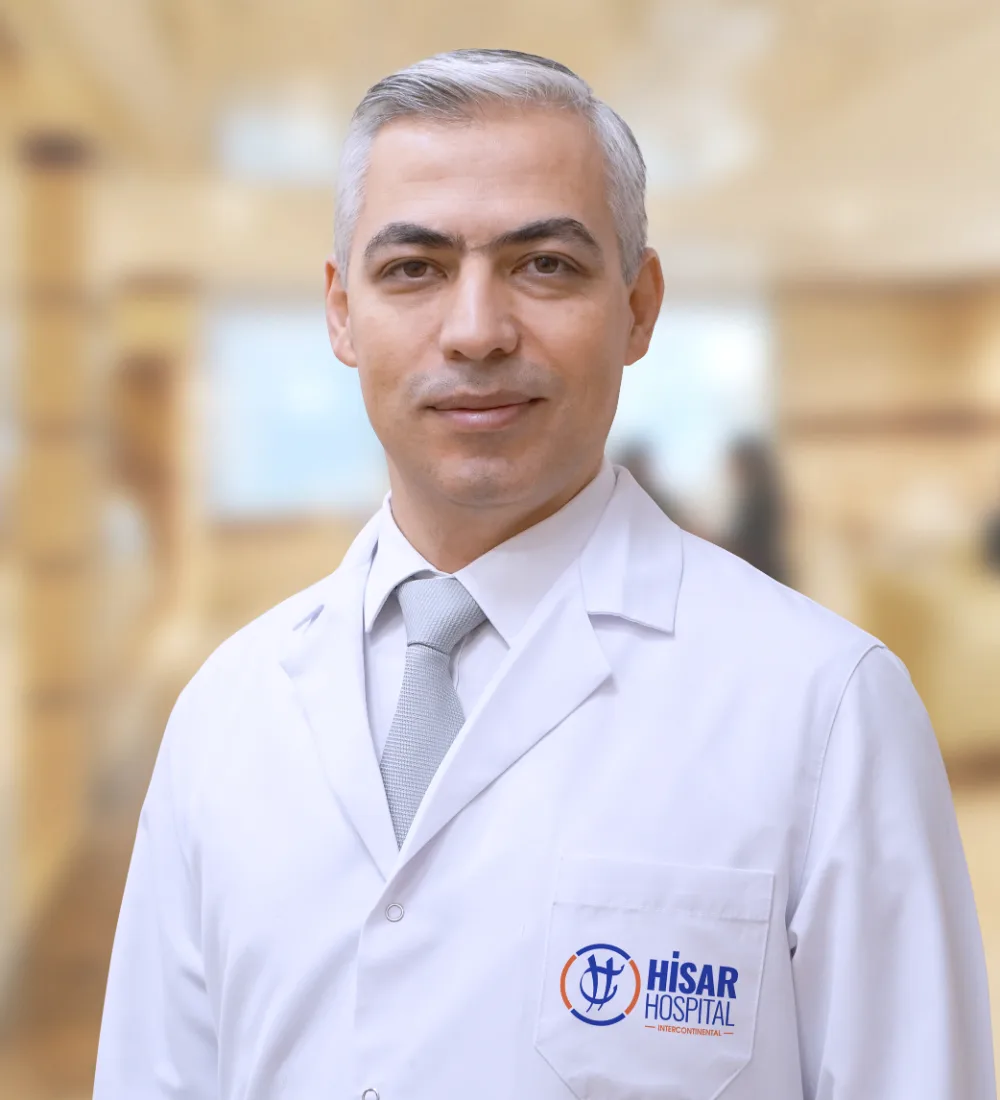 Assoc. Prof. Dr. S. Hilmi AksoyInterventional RadiologyReview date: 02 November 2026
Contact
Pulsed-Dye Laser Department — Get in Touch
Fill out the form with your questions; our team will call you back as soon as possible.
The Hisar Hospital Web and Medical Editorial Board contributed to the development of this content. All content on this website is provided for general informational purposes only. Please consult a physician for the evaluation, diagnosis and treatment of your condition.
Last Updated: