

Nutrition and Diet
Correct and balanced nutrition is the foundation of a healthy life. In our Nutrition and Diet unit, personalised nutrition programmes are prepared according to age, lifestyle, health status and individual needs. Our specialist dietitians aim to help patients adopt sustainable healthy eating habits and improve their quality of life.
About the Department
The scope, approach and highlighted services of the department.
According to the World Health Organization, health is not merely the absence of disease or illness; it is a state of complete physical, mental and social well-being. As Hippocrates said, this state of well-being can be achieved with the approach “let food be your medicine and medicine be your food.” Getting help from a dietitian is the best choice when planning a healthy diet.
Our Protective and Preventive Nutrition Services
Healthy Nutrition
A healthy nutrition programme is the gateway to a healthy life. The most suitable healthy and balanced nutrition programme should be prepared according to the person’s age, gender, height, weight and lifestyle. A balanced, professionally prepared programme is important both for providing the nutrients the person needs, such as vitamins, minerals, carbohydrates and proteins, and for keeping weight stable at a certain level through daily calorie control.
Our expert dietitians inform those who apply to our department about the foods they should consume, prepare a suitable diet plan and carry out their routine follow-ups.
Nutrition in Childhood
What kind of nutrition programme do you follow for your child? Balanced and healthy nutrition is especially important for children in their growth and development years. Calcium, vitamins and minerals taken correctly and in sufficient amounts contribute positively to children’s mental and physical development and minimise the risk of diseases that may arise later in life.
At our hospital, the height and weight of growing children are checked regularly; the most suitable nutrition programmes are prepared according to their age, gender and level of physical activity, and counselling is also provided to families on this subject.
Nutrition in Adolescence
As in childhood, growth and development continue during adolescence, which makes it a period in which balanced and healthy nutrition requires the greatest attention. Since psychological factors also come into play during this period, nutritional mistakes made in order to stay thin or for the sake of beauty can lead to negative health consequences later on. Our hospital’s expert dietitians offer adolescents the right nutrition programme with an appropriate approach and provide counselling services.
Nutrition in Pregnancy
The foods consumed during pregnancy are closely related to the baby’s development. Following a healthy and balanced diet programme during this period helps expectant mothers have a more comfortable pregnancy and ensures that the baby receives the nutrients it needs in sufficient amounts.
With a nutrition programme specially prepared for expectant mothers, the aim is to provide the energy and calorie intake the baby needs while keeping weight gain to a minimum.
Nutrition During Lactation
Lactation refers to the breastfeeding period that begins after birth. During the breastfeeding period, the mother needs to eat properly for the healthy development of the baby. For this reason, our expert dietitians prepare suitable nutrition programmes both to help the mother control her weight and to make the breastfeeding period more effective.
Nutrition in Old Age
The nutrient and energy needs of older people differ from those of adults and children. An uninformed nutrition programme during this period can open the door to many diseases such as osteoporosis, diabetes and heart disease.
With a correct and balanced nutrition programme that includes all four food groups, it may be possible to prevent or delay these diseases or stop their progression.
Sports Nutrition
Athletes need to follow a special nutrition programme in order to get the energy they need and to support their endurance and physical development. Our expert dietitians prepare a healthy and balanced nutrition programme tailored to the person’s sport, intensity of physical activity, lifestyle, age, gender and general health. In this way, the aim is to achieve peak performance while maintaining a healthy eating pattern.
Our Therapeutic Nutrition Services
Nutrition in Overweight (Obesity Treatment)
Severe overweight, or obesity, is the condition of having a body weight higher than it should be. It is expressed by the body mass index, which is calculated by dividing the person’s weight by the square of their height. People with a value above 30 are called obese, and those above 40 are called morbidly obese.
According to the latest data, the obesity rate among people aged 15 and over was 19.6 percent in 2016, while this figure rose to 21.1 percent in 2019. One of the most important reasons for this sharp increase in obesity is an unbalanced diet and a sedentary lifestyle.
On the other hand, with advancing age, usually after the age of 30 in women and 40 in men, metabolism slows down and fat tissue increases. Increasing weight and the resulting overweight also pave the way for many diseases.
For this reason, adopting and following a balanced diet programme is of great importance in improving a person’s quality of life and in healthy weight loss.
Nutrition in Diabetes and “Carbohydrate Counting” in Type 1 Diabetes and Multiple Insulin Use
Balanced and healthy nutrition plays an important role in stopping the progression of the disease in people with diabetes. The types of nutrients the body needs must be determined and the most suitable nutrition programme for the person must be prepared. With the nutrition therapy applied by our expert dietitians according to the type of diabetes, the aim is to teach our patients the right way of eating and to keep blood sugar under control.
Nutrition in Heart Disease
Heart conditions such as hypertension, heart failure, heart rhythm disorders and atherosclerosis account for a large proportion of deaths worldwide. However, by changing certain eating habits, it may be possible to protect against these diseases or to increase the success of treatment. Our hospital’s expert dietitians provide correct and balanced nutrition counselling both to people at risk of heart disease and to patients diagnosed with heart disease.
Nutrition in Gout
Gout is a disease that develops as a result of a disorder of purine metabolism. When purine that cannot be excreted in the urine is converted into uric acid, sodium urate salts accumulate in the joints and soft tissues of the big toe and knees. For this reason, gout patients need to adopt a diet low in purines. With personalised diets, our expert dietitians aim to create a healthy eating pattern while keeping the uric acid level at an ideal level.
Nutrition in High Blood Pressure
Balanced and healthy nutrition plays an important role in lowering high blood pressure and reducing the risk of hypertension. Even reducing alcohol and salt intake, eating fresh vegetables and fruit and avoiding foods high in cholesterol has an effect that helps bring blood pressure under control. In our Nutrition and Diet department, a suitable diet plan is prepared for patients with hypertension or people at risk of high blood pressure, taking into account characteristics such as their lifestyle, general health, gender and age, and counselling is provided throughout the process.
Nutrition in Kidney Disease
The kidneys, among the most important organs of the body’s excretory function, are the organs through which waste products of food are removed from the body. Therefore, kidney health and the foods consumed are closely related. Creating a balanced nutrition programme suitable for kidney health with the help of an expert dietitian increases the success of treatment in many kidney diseases.
Nutrition in Nervous System Diseases
A balanced and healthy diet not only contributes to brain development but also supports the treatment of diseases of the nervous system. Nutrition programmes prepared according to individual needs provide the energy the brain requires and ensure the intake of B vitamins, electrolytes and lipids necessary for brain development.
Our Special Diet Nutrition Services
Nutrition in Coeliac Disease
Coeliac disease, one of the most common food intolerances in recent times, is an autoimmune disorder triggered by gluten in which the body unintentionally damages itself. As a treatment method, people with this disease need to follow a gluten-free nutrition programme. Gluten is most commonly found in foods such as wheat, rye, oats and barley. The aim is to improve the symptoms of coeliac disease with a gluten-free diet programme prepared by an expert dietitian.
Vegetarian Nutrition
Vegetarianism means not eating meat and, optionally, also not consuming animal products (eggs, milk and dairy products).
For this reason, the nutrition programmes of vegetarians need to be well planned and followed in order not to cause any nutritional deficiency.
According to the World Health Organization, health is not merely the absence of disease or illness; it is a state of complete physical, mental and social well-being. As Hippocrates said, this state of well-being can be achieved with the approach “let food be your medicine and medicine be your food.” Getting help from a dietitian is the best choice when planning a healthy diet.
Conditions Covered
The main conditions within the department’s diagnosis and treatment scope.
Department Doctors
Our specialist team working in the Nutrition and Diet department.
Related Videos
Informative videos from our specialists related to the Nutrition and Diet department.
 1:52
These Foods Help You Burn Fat!
 42:33
Frequently Asked Questions About Nutrition During Ramadan / Instagram Live
 48:58
Healthy Eating After Eid al-Fitr / Instagram Live
 36:59
Healthy Eating During Eid al-Adha / Instagram Live
 1:09
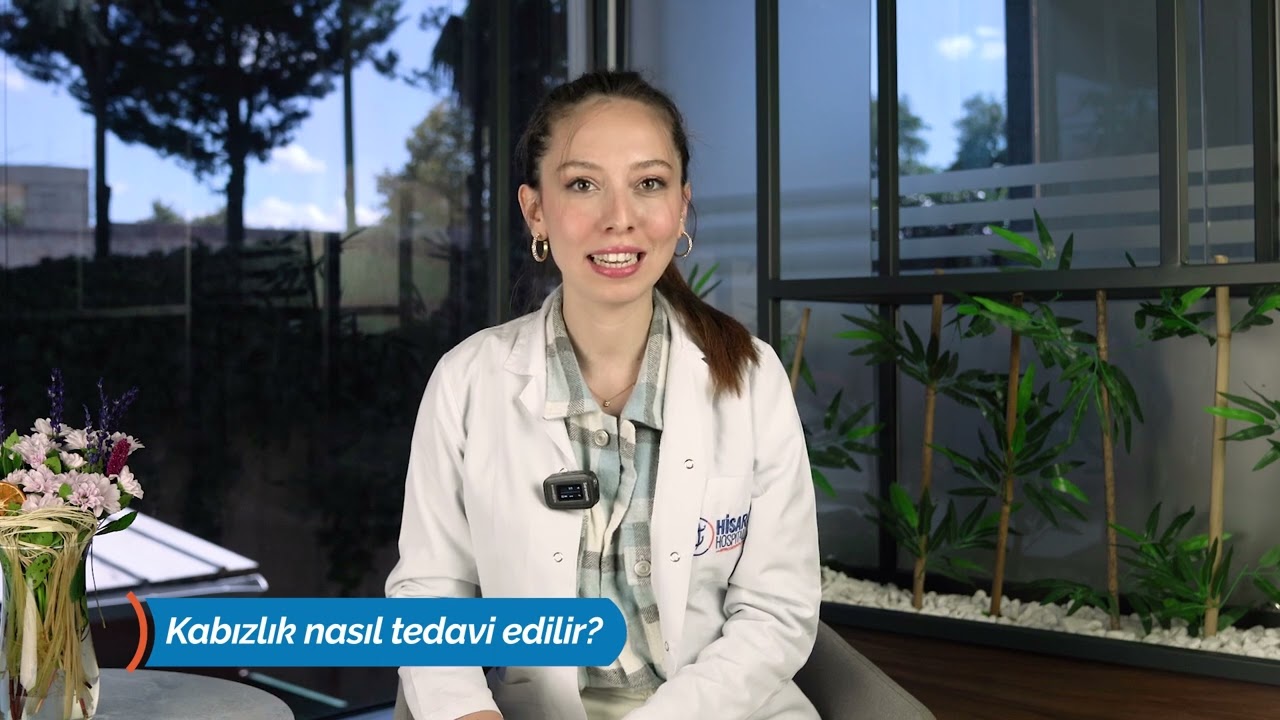
What Is Constipation? How Is It Treated? | Dietitian Beyza TOPÇU - Nutrition and Diet
 1:38
Healthy and Fast Weight Loss | Dietitian Beyza TOPÇU
Locations
At Which Hospitals?
The Nutrition and Diet department is available at the following locations.

Author
Web and Medical Editorial BoardReviewed by a specialist
 Dietitian Beyza TopcuNutrition and DietReview date: 31 October 2026
Contact
Nutrition and Diet Department — Get in Touch
Fill out the form with your questions; our team will call you back as soon as possible.
The Hisar Hospital Web and Medical Editorial Board contributed to the development of this content. All content on this website is provided for general informational purposes only. Please consult a physician for the evaluation, diagnosis and treatment of your condition.
Last Updated: