

Chemotherapy
What is chemotherapy? Chemotherapy, which plays an important role in the treatment of cancer, is the treatment of people diagnosed with cancer with medication according to the type of cancer…
About the Department
The scope, approach and highlighted services of the department.
What is chemotherapy?
\nChemotherapy, which plays an important role in the treatment of cancer, is the treatment of people diagnosed with cancer with medication according to the type of cancer. This treatment may be given as a drug administered intravenously or as a drug taken by mouth. The drugs used are chemotherapeutic agents known as anticancer drugs (antineoplastic drugs) (they are chemical drugs). In the treatment of the patient, surgery and radiotherapy are local treatment methods, and they are followed by systemic treatments such as chemotherapy and immunotherapy. Because chemotherapy is performed with cytotoxic drugs, it is a specialized field. It must be carried out at effective doses while protecting the patient from side effects. The drugs spread through the bloodstream throughout the body and prevent the proliferation of tumor cells that grow in an uncontrolled manner.
\nWhat is the purpose of chemotherapy?
\n- To treat cancer,
- To prevent its spread to other organs,
- To slow the growth of the tumor,
- If it has spread elsewhere, to destroy these cells,
- To reduce or eliminate the discomfort and complaints caused by cancer.
How are the drugs to be given selected?
\nDrug selection is made taking many factors into account. Here, it is determined by the Medical Oncologist, taking into consideration the type of tumor, its extent, the patient’s age, and any other existing conditions (diabetes, high blood pressure, kidney disease, etc.).
\nWhat are the types of chemotherapy administration?
\n- Neoadjuvant Chemotherapy: Given to patients whose tumor is limited and can be surgically removed, in order to shrink the mass and facilitate surgery.
- Adjuvant Chemotherapy: Given after the patient has undergone surgery, with the risk of recurrence assessed, in order to prevent local recurrence or prevent the spread of the disease.
- Palliative Chemotherapy: Given in widespread disease to shrink the tumor, keep it under control, or relieve symptoms related to the tumor.
Who administers chemotherapy?
\nThe branch of science dealing with chemotherapy is Medical Oncology, and the physician working in this field is the Medical Oncologist. The Medical Oncologist is an Internal Medicine Specialist who has specialized in tumor treatment. Chemotherapy must always be administered in centers where people trained in this field work; treatment should absolutely not be undergone with persons who lack experience.
\nHow is chemotherapy administered?
\nThere are various methods of administering chemotherapy. Chemotherapy drugs are most often given intravenously. In addition, there are tablets taken orally (by mouth) and applications into body cavities (intramuscular, subcutaneous injection, intraperitoneal, and between the pleural membranes of the lungs).
\nWhat are the side effects of chemotherapy?
\nChemotherapy is a treatment that affects tumor cells. Thanks to advances in medical technology, the side effects of the vast majority of drugs produced have been greatly minimized from the patient’s perspective. However, normal cells may also be affected during this process. Commonly seen side effects of chemotherapy include nausea, vomiting, weakness, loss of appetite, hair loss, a decrease in platelets (the cells that enable blood to clot), diarrhea or constipation, widespread body pain, numbness in the hands and feet, mouth sores, reduced hearing and sense of taste, disruption of the menstrual cycle, decreased sperm count, and bone marrow suppression; weakness due to a drop in red blood cells (hemoglobin and hematocrit), risk of infection due to a drop in white blood cells (leukocytes and neutrophils), and bleeding due to a drop in platelets.
\nHowever, not all of these side effects occur at the same time. More than fifty drugs used in chemotherapy have their own specific side effects. They may be experienced with different severity depending on the stage and location of the disease, the patient’s age and sex, other concomitant diseases, and individual constitution. The patient should obtain detailed information from their doctor about the side effects of the drug they will receive.
\nWhen should tests be done after chemotherapy?
\nUsually, 7–10 days after treatment is given, a complete blood count and, if necessary, biochemical tests (if a drug that may cause kidney dysfunction has been used) should be performed. If the patient develops weakness, signs of bleeding, or fever, a complete blood count and biochemical tests should be performed immediately.
\nIn which situations should you go to the hospital urgently after chemotherapy?
\n- Fever above 38 degrees Celsius,
- Bleeding: Severe nosebleeds, bleeding oozing from the gums, blood in the urine, rectal bleeding, severe menstrual bleeding or bleeding between periods, severe bleeding from the mouth resembling coffee grounds, red spots the size of a pinhead on the body,
- Coughing up a large amount of blood from the mouth (hemoptysis)
- Newly developed shortness of breath or a marked increase in existing shortness of breath,
- Prolonged diarrhea leading to weight loss and weakness,
- Severe difficulty with oral intake and resulting severe weight loss,
- Mouth sores preventing eating and causing difficulty swallowing,
- Passing dark, tarry stools,
- Diarrhea lasting more than 2 days without stopping,
- Inability to pass gas and stool for more than 3 days
- Sudden drowsiness, double vision, changes in consciousness, loss of balance, incoherent speech, movement disorders. In such cases, you should contact your doctor immediately and act according to their instructions.
Can side effects caused by chemotherapy be prevented?
\nSide effects caused by chemotherapy usually begin within 24–48 hours and mostly decrease or disappear within 7–10 days. Some side effects may last longer.
\nNausea and vomiting: Drugs that suppress the brain’s nausea and vomiting center are used.
\nLoss of appetite and weight loss: In patients who develop loss of appetite and weight loss, oral nutritional products are used.
\nDiarrhea: Changes in bowel habits may occur during chemotherapy. This may not be significant within certain limits. Watery stools more than 4–5 times a day are considered diarrhea. If diarrhea continues, raw vegetables, nuts, fatty foods, chocolate, spicy foods and alcoholic beverages, which can irritate the digestive system, should be avoided; boiled potatoes, rice pudding, pasta, banana, peach and yogurt, which may help stop diarrhea, should be eaten. In addition, at least 3 liters of fluid per day (such as water, apple juice, plain tea, ayran) should be consumed, and milk and dairy products should be avoided. Also, the anal area should be cleaned with lukewarm water after every bowel movement. During this period, antidiarrheal medications recommended by your doctor should be taken regularly. If diarrhea lasts more than two days and exceeds 6–8 times a day, or cramp-like abdominal pain lasts more than two days, consult your doctor.
\nConstipation: Constipation, which occurs based on hardening of the stool and bowel movements becoming less frequent than usual, can be caused not only by medications but also by eating less, drinking less fluid, and moving less. To relieve constipation, it is important to consume plenty of fluids and fiber-rich foods (such as raw and cooked vegetables, fruits, and apricot or plum compote); to avoid foods that can cause constipation (potatoes, rice pilaf, pasta); to give importance to physical activity such as walking; and to take care to have bowel movements at the same time each day. During this period, the constipation medication recommended by your doctor should be taken regularly. If there is no passage of stool or gas for more than 2 days, or if there is nausea or vomiting, be sure to contact your doctor and go to the hospital.
\nSkin and Nails: Some changes in the skin and nails may be observed during chemotherapy. Nails may break easily, ridges may appear, and the veins through which chemotherapy is given may darken in color. These changes may disappear 1–2 months after treatment ends. Since chemotherapy can cause skin darkening, in order to get through this process with the least harm, direct exposure to sunlight should be avoided, protective creams should be used, short lukewarm baths should be taken to prevent skin dryness, moisturizers should be used, and gloves should be worn when working to protect the nails. If redness, swelling or pain occurs in the vein where the drug is administered, during or after administration, be sure to consult your doctor.
\nHair: With some drugs, hair begins to fall out after the first course and grows back a few months after chemotherapy ends. Before treatment, your doctor will give you informative details on this. First and foremost, this side effect is temporary and will go away when treatment ends. Because the drugs used in treatment affect hair follicles, hair loss will occur not only on the scalp but also on the eyebrows and hair elsewhere on the body. Before treatment, if possible, hair should be cut short; hats, wigs or headscarves should be used to conceal hair loss; hair-nourishing products should be preferred; and hair should be gently combed without excessive brushing.
\nPatients with low red blood cells (hemoglobin) and symptoms are given red blood cell transfusions; patients with low platelets and bleeding are given platelet transfusions. For some patient groups with low white blood cells (leukocytes) and a serious risk of infection, drugs that stimulate bone marrow are given. In patients with low white blood cells (neutrophils <1000) who have no fever, oral antibiotic treatment is started as a preventive measure. In patients with very low white blood cells (neutrophils <500), if fever develops, this condition is called febrile neutropenia, and because the risk of death is high, the patient should be admitted to a single-bed isolation room if possible, so that the source of infection can be identified and broad-spectrum antibiotics can be given intravenously. General deterioration may occur after chemotherapy. It should be remembered that side effects that may occur during chemotherapy are temporary. The patient remaining calm, resilient, hopeful and free of anxiety during this process strengthens the immune system. A strong immune system is very important both for recovery and for experiencing fewer side effects.
\nWhere should tumor treatment be carried out?
\nTumor treatment is a team effort and must be carried out in centers where the entire team is present. This team should include a Surgical Specialist dealing with tumor surgery, a Radiation Oncologist for radiotherapy, a Pathologist, a Radiologist, a Nurse knowledgeable in chemotherapy administration, and a Medical Oncologist for chemotherapy and patient care. In cancer treatment, where expertise, experience and technology are vitally important, a ‘Tumor Council’ should be formed, and the different medical specialties must jointly plan the treatment to be given.
\nFrequently Asked Questions
\nHow is chemotherapy administered into a vein?
\nChemotherapy drugs administered into a vein must be given within a specified time in certain solutions. Long-term treatments may require hospitalization. Additional fluids may be needed to counteract the side effects of some drugs. For this reason, the duration of each treatment may vary from patient to patient. From time to time, vascular access problems may arise in patients. In such cases, a ‘port catheter’ is placed to provide a hassle-free vascular access for the patient.
\nHow often and for how long is chemotherapy administered?
\nThe duration of treatment may vary depending on the patient’s condition and the determined chemotherapy regimen. It is generally given every 3 or 4 weeks, but weekly or biweekly administrations are also possible. The key point in chemotherapy administration is that it should be given on time when conditions are suitable. It is very important that the patient does not disrupt the treatment schedule by saying “I don’t feel well.” If the doctor deems it necessary based on tests performed before treatment, treatment may be postponed.
\nCan other medications be used during chemotherapy?
\nThe patient may continue taking their existing medications for diabetes, high blood pressure and heart disease during chemotherapy. For blood thinners such as aspirin, they must definitely follow their doctor’s advice.
\nCan one work during chemotherapy?
\nMany people can maintain their normal daily routine while receiving chemotherapy. They may go to work to the extent permitted by their doctor and provided the treatment plan is not disrupted. The important thing is that work and activities should be reduced at times when the patient feels tired. In some patients, however, it may not be possible to continue working due to the type and prevalence of the disease, the intensity of the treatment given, and its side effects. For example, driving may be unsafe because antinausea medications given immediately after chemotherapy can cause drowsiness. Discuss your profession and work schedule with your doctor. If your job does not cause problems for you during the treatment you will receive, you may continue working with short rest periods. Maintain your daily life as much as possible during chemotherapy.
\nCan a vacation be taken during chemotherapy?
\nA vacation can be taken without disrupting the treatment schedule. Information should be given to the doctor about the vacation destination and type, and recommendations should be obtained. For example, some drugs may cause side effects on the skin, and contact with sunlight may increase skin lesions. A complete blood count should be done before going on vacation, and if white blood cell and platelet values are suitable, you may swim in a pool or the sea.
\nWhat are the effects of chemotherapy on sexuality?
\nIn men, it may reduce sperm count, leading to temporary or, rarely, permanent infertility. Patients of reproductive age receiving chemotherapy, such as those with testicular tumors, who wish to have children may have their sperm frozen and preserved in sperm banks before treatment, and they can have children after treatment. In women, menstrual irregularities may occur; menstrual bleeding usually stops temporarily or sometimes permanently, leading to infertility. Hot flashes, sweating and vaginal dryness similar to those of menopause may be seen.
\nIs it risky to become pregnant during or after chemotherapy?
\nIf pregnancy occurs during chemotherapy, the risk of giving birth to a child with birth defects is high. While receiving chemotherapy, appropriate contraceptive methods must be used against the possibility of pregnancy. After chemotherapy, when hormonal status returns to normal, pregnancy may occur under the doctor’s supervision if treatment will not be continued. If chemotherapy is required after childbirth, or if a disease is diagnosed and chemotherapy will be given during breastfeeding, the mother must absolutely not breastfeed the baby.
Chemotherapy, which plays an important role in the treatment of cancer, is the treatment of people diagnosed with cancer with medication according to the type of cancer. This treatment may be given as a drug administered intravenously or as a drug taken by mouth. The drugs used are chemotherapeutic agents known as anticancer drugs (antineoplastic drugs) (they are chemical drugs). In the treatment of the patient, surgery and radiotherapy are local treatment methods, and they are followed by systemic treatments such as chemotherapy and immunotherapy. Because chemotherapy is performed with cytotoxic drugs, it is a specialized field. It must be carried out at effective doses while protecting the patient from side effects. The drugs spread through the bloodstream throughout the body and prevent the proliferation of tumor cells that grow in an uncontrolled manner.
Author
Web and Medical Editorial BoardReviewed by a specialist
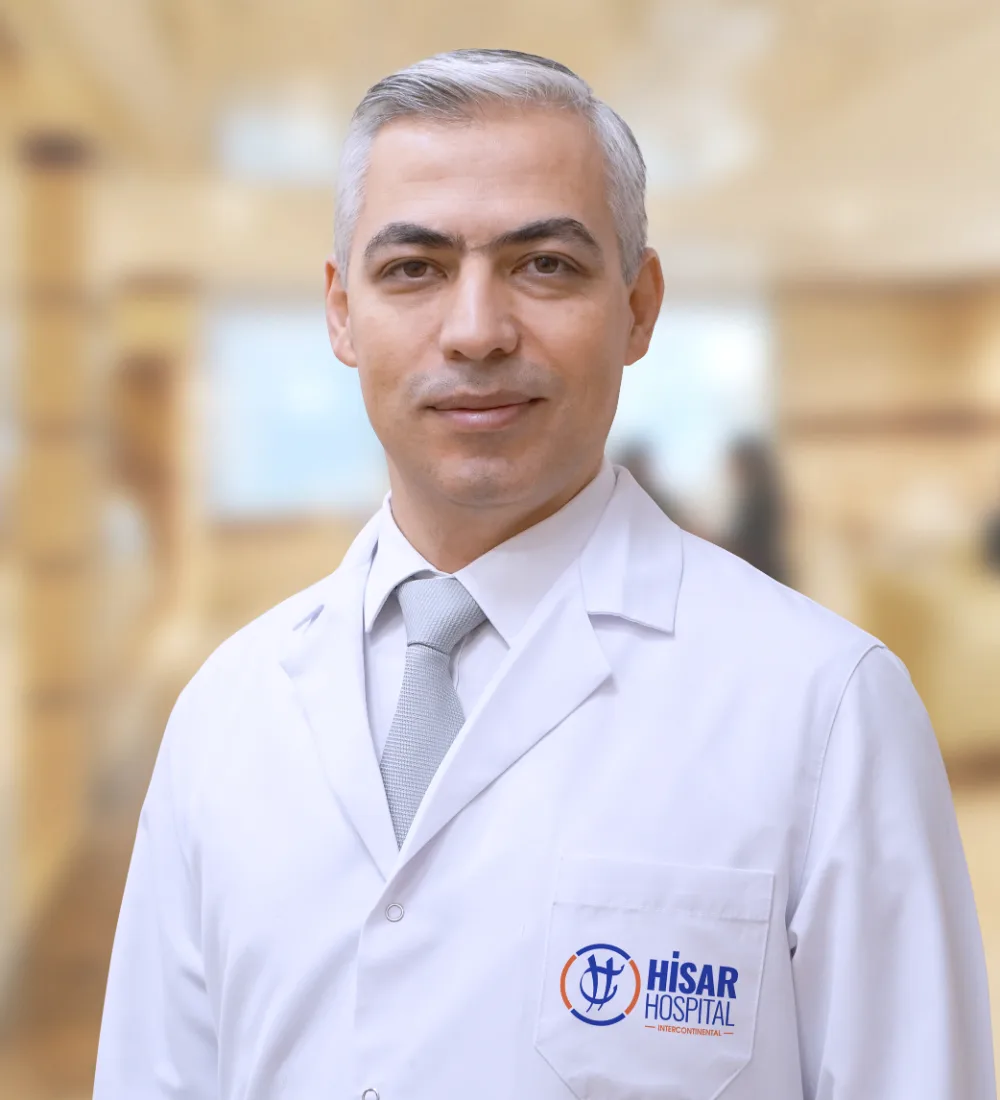 Assoc. Prof. Dr. S. Hilmi AksoyInterventional RadiologyReview date: 02 November 2026
Contact
Chemotherapy Department — Get in Touch
Fill out the form with your questions; our team will call you back as soon as possible.
The Hisar Hospital Web and Medical Editorial Board contributed to the development of this content. All content on this website is provided for general informational purposes only. Please consult a physician for the evaluation, diagnosis and treatment of your condition.
Last Updated: