

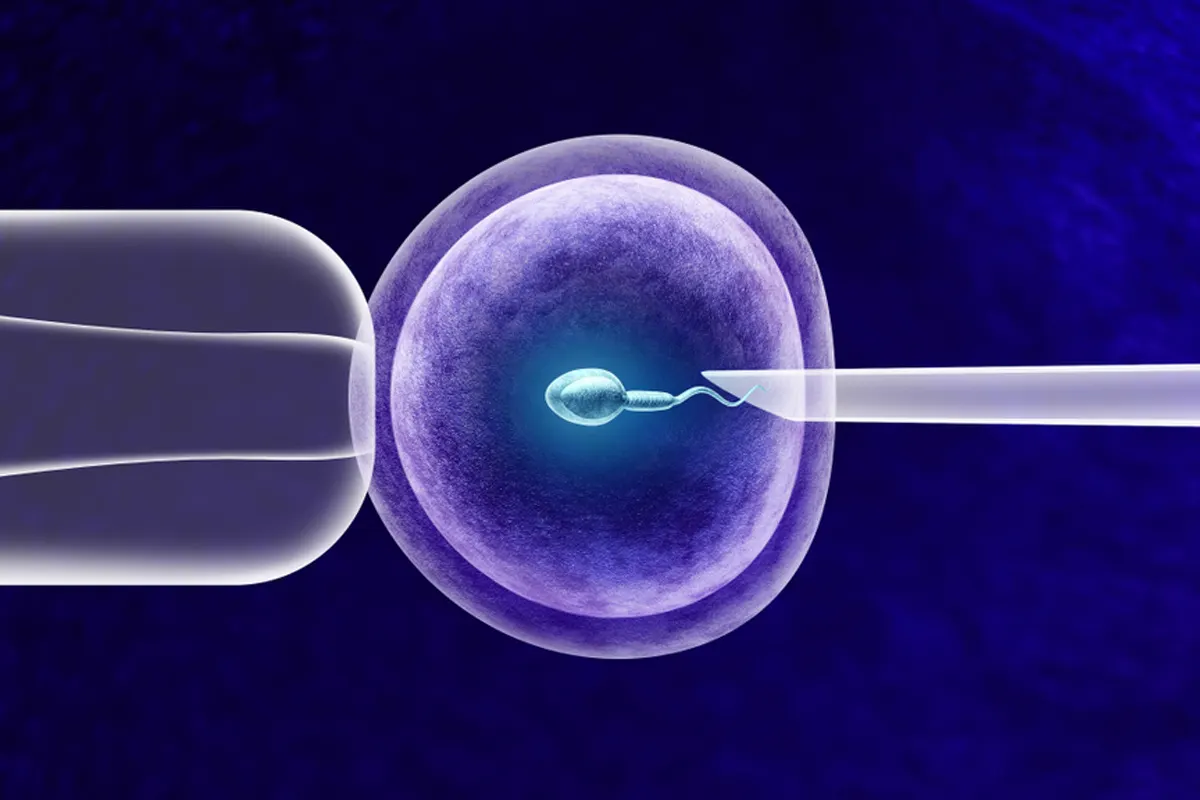
What Is Embryo Shaving?
In IVF treatments, embryos obtained after fertilization are placed in the mother's uterus, where they continue to grow and develop. However, in some cases, pregnancy does not occur even when the best-quality embryo is transferred. One of the reasons for this is that the membrane surrounding the embryo does not rupture and the embryo cannot attach to the uterus.
Embryo shaving is the thinning or piercing of the protective membrane on the outer covering of the embryo, called the zona pellucida, in a laboratory setting. This technique increases the chance of pregnancy, particularly in women of advanced reproductive age.
What Are the Embryo Shaving Methods?
Three different methods are prominent for embryo shaving.
Mechanical Shaving
In mechanical shaving, a micro-needle is used to make a hole in the membrane around the embryo, which is held in place with a holding pipette. The same procedure is then applied once more to create a cross-shaped opening in the form of a line in the membrane.
Chemical Shaving
In this traditionally used method, an acidic solution called Tyrode's solution is used to pierce the zona. The embryo is held in place with a special holding pipette, and a small hole is created on the surface of the embryo that is brought into contact with the acid solution. The washed embryo is then kept in the culture medium until transfer.
Laser Shaving
Laser treatment is the most preferred method for embryo shaving, as it is easier to apply and takes less time. It is applied to day 3 or day 5 embryos. Shortly before transfer to the uterus, a small hole is created in the zona of the embryo with the help of a laser. The transfer procedure is then carried out.
Who Is Embryo Shaving Performed On?
Embryo shaving is generally preferred in;
Patients over 38 years of age
Patients with a thick embryo membrane
Cases with problems in the membrane structure
Couples with previous unsuccessful pregnancy attempts
Patient groups with high FSH levels
.
placeholder