Brain Aneurysm Clipping Surgery is an important brain operation that can save lives. According to statistical data, approximately 40% of people who suffer an aneurysm hemorrhage die before reaching the hospital. This clearly shows how critical treatment is.
So, what is a brain aneurysm? A brain aneurysm is a balloon-like enlargement that forms in certain areas of the blood vessels in the brain. In fact, most brain aneurysms (about 90%) do not cause any symptoms and are smaller than 10 millimeters. However, this does not change the fact that they need to be treated.
When brain aneurysm surgery is mentioned, one of the most commonly used methods is clipping surgery. In this procedure, a special clip is placed on the enlarged vessel area to control blood flow. This method is preferred especially when the aneurysm is large, in a risky location, or has bled. In this article, you will learn clearly and understandably how brain aneurysm clipping surgery is performed and what the recovery process is like.
What is brain aneurysm and why does it occur?
An aneurysm is a balloon-like structure that forms when a vessel wall in the brain weakens and swells. These balloons are also known colloquially as “brain balloons.” Such weaknesses in arterial walls gradually extend outward under the pressure of blood and create bulges.
How does an aneurysm develop?
The basic mechanism of aneurysm formation is that the pressure created when the heart pumps blood into the arteries causes ballooning at a point where the vessel wall is relatively weak. This does not happen suddenly; it develops slowly and progressively over years.
Brain aneurysms usually form at vessel bifurcations or branching points. The reason is that these areas are structurally weaker. In addition, brain vessels have thinner walls than other vessels in the body, and there is less surrounding tissue support.
Brain aneurysm, which is not a congenital condition, is usually seen in people over the age of 30-40, and its frequency increases with age. Aneurysms in the brain are mostly seen in the arteries at the base of the brain.
Who is more likely to develop it?
Brain aneurysm is seen in approximately 3.2% of the population and is more common in women than in men. It is especially prevalent in adults between the ages of 30 and 60.
The factors that increase the risk of brain aneurysm are:
High blood pressure: It can weaken vessel walls
Smoking: It negatively affects vascular health and increases the risk of rupture [51]
Alcohol consumption: Excessive alcohol use is a risk factor
Drug use: Substances such as cocaine can increase blood pressure and create risk [51]
Hereditary factors: Those with a family history of brain aneurysm are at higher risk [51]
Some genetic diseases: Conditions such as Ehlers-Danlos syndrome and polycystic kidney disease [42]
What does the risk of rupture depend on?
When an aneurysm ruptures, it causes brain bleeding and this creates a life-threatening situation. While 50% of patients who have aneurysm bleeding lose their lives, 20-25% cannot even reach the hospital.
The risk of aneurysm rupture depends on several factors:
Size: Large aneurysms carry a higher risk of rupture. Aneurysms larger than 25 mm may have a bleeding risk of up to 70% within 2 years. In general, the annual bleeding risk of an unruptured aneurysm is approximately between 1-3%.
Shape and Location: Aneurysms with irregular shapes and those in certain areas of the brain are more risky. Aneurysms in the arteries at the front and back of the brain are more likely to rupture than those in other areas.
Lifestyle: Stress, sudden anger, and heavy physical activity can trigger aneurysm rupture. In addition, uncontrolled high blood pressure poses a major risk.
Thanks to advancing medical imaging methods, a significant number of brain aneurysms can be diagnosed and treated before causing bleeding. This early diagnosis can be life-saving.
What is brain aneurysm clipping surgery?
Today, there are two main treatment methods for brain aneurysm: surgical clipping and endovascular treatment. Surgical clipping is an effective method used especially in aneurysms with a high risk of rupture or in aneurysms that have bled.
Brain aneurysm clipping surgery is the procedure of stopping blood flow by placing a special metal clip on the neck of the aneurysm. This prevents blood from entering the aneurysm and eliminates the risk of balloon rupture.
How is clip placement performed?
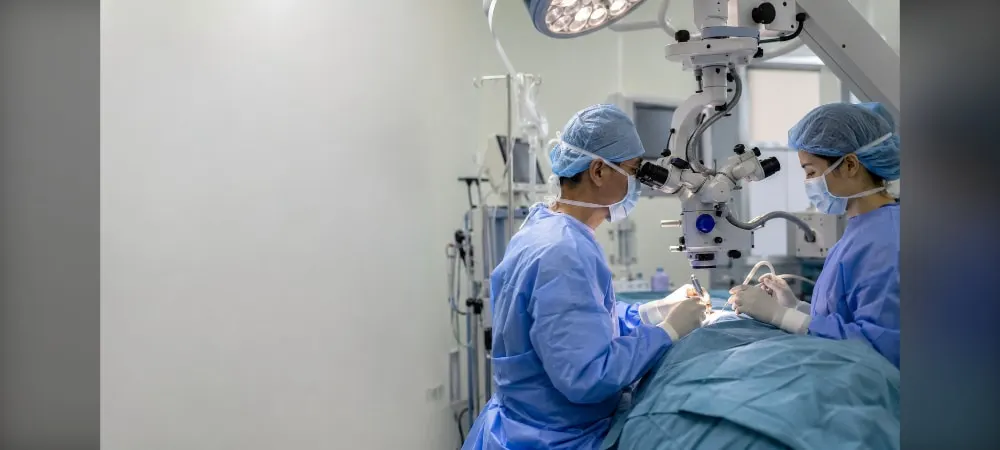
The first step in clipping surgery begins with removal of a portion of the skull. A window is opened to the brain, and the surgeon advances between the folds of the brain with the help of a microscope to reach the aneurysm. Looking through the microscope, the surgeon follows these steps:
The brain membrane (dura) is cut and the brain tissue is reached
The surgeon advances through the spaces between the folds of the brain to reach the vessel containing the aneurysm
The aneurysm and its surroundings are carefully exposed
A small clip made of titanium is placed on the neck of the aneurysm
The clip closes the aneurysm opening and prevents blood from entering it
The dura is closed and the removed bone piece is put back in place
This procedure is performed with microsurgical techniques by an experienced neurosurgeon. During clip placement, care is taken not to damage the normal vessels.
In which situations is it preferred?
Brain aneurysm clipping surgery is especially preferred in the following situations:
If the aneurysm has bled (ruptured)
If the aneurysm is large and complex
In wide-neck aneurysms
When endovascular treatment (coil or stent) is not suitable
In patients with a complex arterial system
When a permanent solution is desired in young patients
In addition, this method allows blood clots that form after brain hemorrhage to be removed. Thus, the rate of complications such as vasospasm (vessel narrowing) and hydrocephalus (fluid accumulation in the brain) may be reduced.
Is the clip permanent?
Yes, the clip used in aneurysm treatment is permanent for life. This is one of the most important advantages of the treatment. The titanium clip does not harm the brain or any other part of the body.
The likelihood of a successfully clipped aneurysm reopening is quite low. However, the risk of recurrence is higher in patients who smoke, whose high blood pressure is not controlled, or who consume excessive alcohol.
Especially in patients with polycystic kidney disease or those diagnosed with an aneurysm under the age of 35, regular follow-up is recommended because there is a possibility of a new aneurysm developing in another location.
The complete closure rate after clipping is high, and the recurrence rate after microsurgical clipping is very low. For this reason, clipping surgery is an ideal option, especially for patients who want long-term permanent results.
Surgical process and techniques used
Brain aneurysm clipping surgery is performed very precisely thanks to advanced microscopic techniques. This operation is one of the most important applications of microsurgery in neurosurgery.
What is the microsurgical method?
Microsurgery is a delicate surgical technique performed using special microscopes that provide high magnification. In this method, the surgeon opens a small window in the skull to reach the brain tissue. Then, by moving between the folds and spaces of the brain, the surgeon reaches the aneurysm and places a metal clip.
Thanks to this technique, the surgeon can work with minimal damage to normal brain tissue. It also allows the surgeon to directly see the aneurysm while performing the procedure. This provides an advantage especially in complex or large aneurysms.
The most important feature of the microsurgical method is that it offers high precision to the surgeon. In this way, the aneurysm can be closed completely and the normal vessel structure can be preserved.
What equipment is used during surgery?
The main equipment used in brain aneurysm clipping surgery is as follows:
Surgical microscope: This device, which provides high-resolution imaging, allows the surgeon to see very small structures.
Titanium clips: These special metal clips used to close the aneurysm are placed on the neck of the aneurysm. These clips are usually made of a titanium-steel alloy and remain in the body permanently.
Microsurgical instruments: These are specially designed fine instruments that allow work without damaging brain tissue.
Imaging systems: In modern centers, a contrast dye is given during surgery to check blood vessel function and the success of aneurysm closure.
During surgery, the surgeon pays special attention to avoiding damage to normal vessels. In some cases, it may be necessary to temporarily clip the main vessel to prevent aneurysm bleeding.
How long does surgery take?
Brain aneurysm clipping surgery is a complex procedure and usually takes several hours. The duration of the surgery may vary depending on the size and location of the aneurysm and the patient’s condition.
The endovascular method usually takes less time and can be completed in about one hour. However, both methods are seen not as alternatives to each other, but as complementary.
Hospital stay duration
After microsurgical clipping, the hospital stay is longer than with endovascular treatment. Patients who undergo open surgery for an unruptured aneurysm usually stay in the hospital for 5-7 days. This allows doctors to assess the success of the surgery and monitor the patient closely.
Patients treated with the endovascular method can usually be discharged within 1-3 days. However, the patient’s recovery rate and possible complications may affect the length of stay.
The hospital stay is longer for patients with ruptured aneurysms. These patients may remain in the hospital for up to 4-5 weeks due to complications such as vessel spasm or fluid accumulation in the brain that may occur because of brain hemorrhage.
A control angiography is usually performed within one week after surgery. This examination is important to confirm that the aneurysm clip has been placed correctly and that no blood is entering the aneurysm.
Advantages of clipping surgery
Clipping has long been considered the gold standard in the treatment of brain aneurysms. This method has been used since the 1930s and produces successful results. Brain aneurysm clipping surgery has both advantages and some risks.
Reducing the risk of bleeding
The most important advantage of clipping surgery is that it completely eliminates the risk of aneurysm bleeding. Because the aneurysm wall is weaker than the normal vessel wall, it can rupture and bleed, which can lead to a high rate of stroke or death in the patient. In clipping, the metal clip placed on the neck of the aneurysm cuts off blood flow and immediately eliminates this risk.
In addition, surgical intervention helps remove blood from brain tissue in patients who have bled and reduces the likelihood of vasospasm (vessel narrowing) developing. This contributes positively to the patient’s recovery process.
Providing a permanent solution
Brain aneurysm clipping is a permanent treatment method. The risk of developing a new aneurysm or recurrence after surgical clipping is less than 1%. Therefore, clipping has maintained its gold-standard status from the time it was first applied until today.
The clip remains in the patient’s body for life and usually does not require additional treatment. In addition, the need for patients to use strong blood-thinning medication disappears after clipping. It is a major advantage especially for young patients because it provides a permanent solution.
Recovery process after surgery and things to consider
The recovery process after brain aneurysm clipping surgery varies depending on the type of surgery and the patient’s condition. The postoperative period is very important for a fast and smooth recovery.
How long is the recovery period?
The recovery period varies depending on the type of surgery and the aneurysm condition. Patients treated with the closed (endovascular) method and who did not have bleeding are usually discharged within 2-3 days. These patients can return to normal daily life in about a week.
For patients with unruptured aneurysms treated by open surgery (clipping), the hospital stay is slightly longer and usually lasts 5-7 days. Complete healing of the surgical wound takes about 4-6 weeks.
On the other hand, recovery periods for patients with ruptured aneurysms may be much longer. These patients may remain in the hospital for up to 4-5 weeks due to complications such as vessel spasm (vasospasm) or fluid accumulation in the brain (hydrocephalus) that may occur as a result of brain hemorrhage.
Returning to daily life
Returning to daily life after surgery depends on the type of surgery and the patient’s overall condition. For patients treated with the closed method, the return to normal life is faster and usually no restrictions are needed.
Things to pay attention to after open surgery are as follows:
Take the prescribed medications regularly
Do not miss follow-up angiographies (within the first week and then within 1-2 years)
Do not drive for 2-3 weeks after surgery
Avoid strenuous exercise and heavy lifting for at least three months
Drink plenty of water
Pay attention to eating habits
Especially after open surgery, patients often experience fatigue, pain, confusion, and dizziness after the operation. These are usually temporary and can be controlled with painkillers.
Need for psychological support
Brain aneurysm surgery is a challenging process not only physically but also psychologically. Receiving psychological support during the postoperative period has a positive effect on recovery.
Especially in patients who have experienced a ruptured aneurysm, emotional problems, depression, and behavior changes may be seen due to brain injury. In addition, concentration difficulties and short-term memory problems may also occur.
Psychological support and counseling may help improve patients’ emotional well-being. Joining support groups made up of people who have had similar experiences may also positively affect the recovery process.
Afterwards, regular medical follow-up and lifestyle modifications are important for long-term recovery. A healthy diet, regular exercise, and avoiding harmful habits are factors that support the recovery process.
In summary: Brain aneurysm clipping surgery
In simple terms, a brain aneurysm is a balloon-like enlargement in the brain vessels, and it poses a life-threatening risk if left untreated. As a result, clipping surgery offers an effective and permanent solution to this dangerous condition. With this method, a metal clip is placed on the aneurysm, blood flow is stopped, and the risk of rupture is completely eliminated.
However, like every treatment option, clipping surgery has its own advantages and risks. This method, especially preferred in young patients and aneurysms with complex structures, provides long-term protection. In addition, during the surgical intervention, it is also possible to clear accumulated blood in patients who have bled.
The recovery process differs for each patient. Patients with unruptured aneurysms can usually be discharged in 5-7 days, while patients with ruptured aneurysms may stay in the hospital longer. Therefore, it is very important not to miss postoperative doctor visits, to take the prescribed medications regularly, and to follow the stated restrictions.
Remember that brain aneurysm treatment is a difficult process not only physically but also psychologically. Therefore, you should not hesitate to seek psychological support when necessary. In fact, early diagnosis and the right treatment approach are the most important steps in overcoming this serious health problem.
If brain aneurysm is suspected, seeing a specialist without delay can save lives. Thanks to advanced treatment methods and experienced specialists, this condition, once considered very dangerous, can now be treated successfully. Healthy lifestyle habits and regular check-ups will help reduce the risk of aneurysm and support a healthy life after treatment.
Frequently Asked Questions
People’s questions about brain surgery usually cluster around similar topics. Here are the answers to the most frequently asked questions on this subject:
How long does brain aneurysm clipping surgery take?
Open surgical clipping usually takes 3-6 hours. Endovascular treatments, which are closed procedures, can be completed in a shorter time, approximately 1-3 hours.
Can an aneurysm form again after a clip is placed?
The risk of recurrence after successful clipping is very low. In more than 97% of completely closed aneurysms, no aneurysm recurs. However, the risk increases in patients who smoke or whose blood pressure is not controlled.
Is headache normal after surgery?
Yes, fatigue, pain, and dizziness may occur after surgery. These complaints are usually temporary and can be controlled with pain relievers.
Is clipping or endovascular treatment safer?
Both methods have advantages. Clipping is more prominent in younger patients and aneurysms in the front part of the brain, while endovascular treatment is preferred in older and high-risk patients. The choice should be made individually for the patient.
What should I pay attention to after surgery?
Use the prescribed medications regularly, avoid heavy lifting, and do not miss follow-up appointments. Also, quit smoking and have your blood pressure checked.
Is the clip permanent in the body?
Yes, the titanium clip remains in the body for life and is not harmful.
Can sports be done after aneurysm clipping?
After surgery, you should avoid heavy sports for at least three months. With your doctor’s approval, you can start light exercise such as walking.
Brain aneurysm clipping surgery is the procedure of stopping blood flow by placing a metal clip on the neck of the aneurysm. This surgical method eliminates the risk of aneurysm rupture.