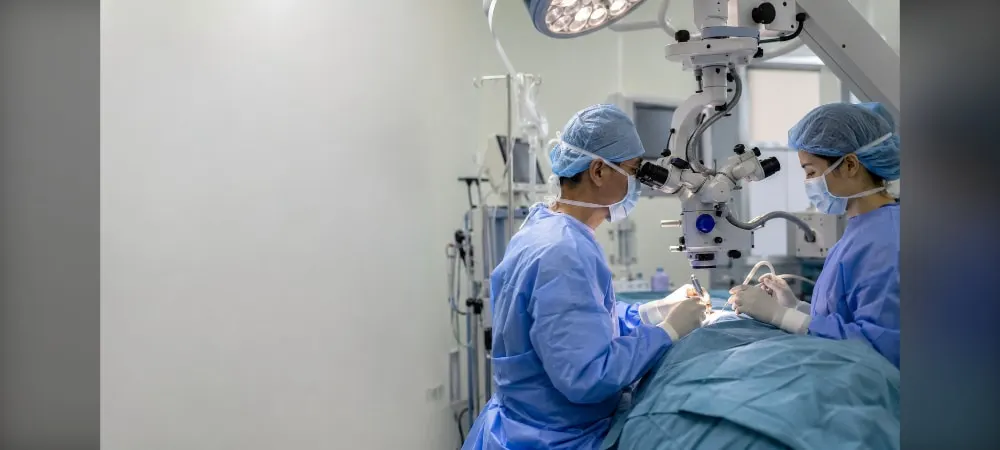
Brain aneurysm clipping surgery is a vital, life-saving neurosurgical procedure. According to statistical data, approximately 40% of individuals who suffer an aneurysm rupture pass away before reaching the hospital, clearly demonstrating how critical timely treatment is.
So, what is a brain aneurysm? A brain aneurysm is a balloon-like dilation that forms in specific areas of blood vessels in the brain. In fact, most brain aneurysms (approximately 90%) do not show any symptoms and are smaller than 10 millimeters. However, this does not change the fact that they need to be treated.
When brain aneurysm surgery is mentioned, one of the most frequently used methods is clipping surgery. In this procedure, a special clip is placed over the dilated vessel area to control blood flow. This method is particularly preferred if the aneurysm is large, located in a risky area, or has ruptured. In this article, you will learn clearly and comprehensibly how brain aneurysm clipping surgery is performed and the recovery process.
What is a brain aneurysm and why does it form?
Structures that swell and take on a balloon-like shape as a result of the weakening of a vessel wall in your brain are called aneurysms. These balloons are also commonly known as "brain blisters." These weaknesses formed in the walls of the arteries stretch outward over time due to blood pressure, creating protrusions.
How does an aneurysm develop?
The fundamental mechanism of aneurysm formation is that the pressure created by the heart pumping blood into the arteries leads to ballooning at a point where the vessel wall is relatively weak. This condition does not develop suddenly, but rather through a slow and progressive process over years.
Brain aneurysms generally form at the bifurcation or branching points of blood vessels. This is because these areas are structurally weaker. Furthermore, cerebral blood vessels have thinner walls compared to other vessels in the body and have fewer supportive tissue layers from the outside.
Not a congenital condition, a brain aneurysm is usually seen in individuals over 30-40 years of age, and its frequency increases with age. Aneurysms in the brain are mostly observed in the arteries at the base of the brain.
In whom is it more common?
Brain aneurysms are seen in approximately 3.2% of the population and are more frequently encountered in women than in men. They are especially prevalent in adults between the ages of 30 and 60.
Factors that increase the risk of a brain aneurysm include:
- High blood pressure: Can weaken vessel walls
- Smoking: Negatively affects vascular health and increases the risk of rupture [51]
- Alcohol consumption: Excessive alcohol consumption in particular is a risk factor
- Substance abuse: Substances such as cocaine increase the risk by raising blood pressure [51]
- Hereditary factors: Those with a family history of brain aneurysms are at a higher risk [51]
- Certain genetic disorders: Conditions such as Ehlers-Danlos syndrome and polycystic kidney disease [42]
What does the risk of rupture depend on?
When an aneurysm ruptures, it causes a brain hemorrhage, which poses a life-threatening danger. While 50% of patients who experience an aneurysm rupture lose their lives, 20-25% do not even make it to the hospital.
The risk of aneurysm rupture depends on various factors:
Size: Larger aneurysms carry a higher risk of rupture. Aneurysms larger than 25 mm can have up to a 70% probability of bleeding within 2 years. In general, the annual bleeding risk for an unruptured aneurysm is between approximately 1-3%.
Shape and Location: Irregularly shaped aneurysms and those located in specific areas of the brain are riskier. Aneurysms formed in the arteries at the front and back of the brain have a greater likelihood of rupture compared to other regions.
Lifestyle: Stress, sudden anger, and heavy physical activities can trigger an aneurysm rupture. Additionally, uncontrollable high blood pressure poses a major risk.
Today, thanks to advancing medical imaging methods, a significant portion of brain aneurysms can be diagnosed and treated before they cause bleeding. This early diagnosis can be life-saving.
What is brain aneurysm clipping surgery?
Today, there are two primary treatment methods for brain aneurysms: surgical clipping and endovascular treatment. Surgical clipping is an effective method used particularly for aneurysms with a high risk of rupture or those that have already bled.
Brain aneurysm clipping surgery is the procedure of stopping blood flow by placing a special metal clip onto the neck of the aneurysm. Through this procedure, blood flow into the aneurysm is blocked, and the risk of the balloon rupturing is eliminated.
How is the clip placement procedure performed?
The first step in clipping surgery begins with the removal of a section of the skull. A window is opened into the brain, and the aneurysm is reached by advancing between the brain folds with the aid of a microscope. Looking through the microscope, the surgeon follows these steps:
- The meninges (dura) are incised and the brain tissue is reached
- The blood vessel containing the aneurysm is accessed by advancing through the spaces between the brain folds
- The aneurysm and its surrounding area are carefully exposed
- A small clip made of titanium is placed onto the neck of the aneurysm
- The clip closes the aneurysm neck, preventing the entry of blood into it
- The dura is closed and the removed bone flap is put back in place
This procedure is performed by an experienced neurosurgeon using microsurgical techniques. Care is taken not to damage normal blood vessels while placing the clip.
In which cases is it preferred?
Brain aneurysm clipping surgery is particularly preferred in the following situations:
- If the aneurysm has bled (ruptured)
- If the aneurysm is large and has a complex structure
- In wide-necked aneurysms
- In cases where endovascular treatment (coiling or stenting) is not suitable
- In patients with a complex arterial system
- When a permanent solution is desired in young patients
Additionally, this method allows for the clearance of blood clots formed after a brain hemorrhage. Thus, the rate of complications such as vasospasm (vessel narrowing) and hydrocephalus (fluid accumulation in the brain) can be reduced.
Is the clip permanent?
Yes, the clip used in aneurysm treatment is permanent for life. This is one of the most important advantages of the treatment. Manufactured from titanium, the clip does not harm the brain or any other part of the body.
The probability of a successfully closed aneurysm reopening is quite low. However, the risk of recurrence is higher in patients who smoke, whose hypertension is not controlled, or who consume excessive alcohol.
Regular follow-up is recommended, particularly in patients with polycystic kidney disease or those diagnosed with an aneurysm under the age of 35, as there is a possibility of developing a new aneurysm in a different location.
The rate of complete closure after clipping is high, and the recurrence rate after microsurgical clipping is very low. Therefore, clipping surgery is an ideal option, especially for patients desiring long-term, permanent results.
Surgical procedure and techniques used
Brain aneurysm clipping surgery is performed with great precision thanks to advanced microscopic techniques. This surgery is one of the most important applications of the microsurgical method in neurosurgery.
What is the microsurgical method?
Microsurgery is a precise surgical technique performed using specialized microscopes that provide high magnification. In this method, the surgeon reaches the brain tissue by opening a small window in the skull. Then, advancing through the folds and spaces of the brain, they reach the aneurysm and place a metal clip.
Thanks to this technique, the surgeon can operate with minimal damage to normal brain tissue. It also allows the surgeon to perform the procedure while directly viewing the aneurysm, which provides an advantage, especially in complex or large aneurysms.
The most important feature of the microsurgical method is that it offers high precision to the surgeon. Thus, the aneurysm can be completely closed while preserving the normal vascular structure.
Which equipment is used during surgery?
The primary equipment used in brain aneurysm clipping surgery includes:
- Surgical microscope: Providing high-resolution imaging, this device allows the surgeon to see very small structures.
- Titanium clips: These special metal clips used to close the aneurysm are placed on the aneurysm neck. These clips are usually made of a titanium-steel alloy and are permanent in the body.
- Microsurgical instruments: Specially designed fine instruments that allow working without damaging brain tissue.
- Imaging systems: In modern centers, contrast agent is administered during surgery to verify the functioning of blood vessels and the success of aneurysm closure.
The surgeon pays special attention to ensure that normal blood vessels are not damaged during the surgery. In some cases, it may be necessary to temporarily occlude the main artery with a temporary clip to prevent aneurysm bleeding.
How long does the surgery take?
Because brain aneurysm clipping surgery is a complex procedure, it generally takes several hours. The duration of the surgery may vary depending on the size and location of the aneurysm and the patient's condition.
The endovascular method usually takes less time and can be completed in about an hour. However, the two methods are seen as complementary rather than alternatives to each other.
Length of hospital stay
The hospital stay following microsurgical clipping is longer compared to endovascular treatment. Patients undergoing open surgery for an unruptured aneurysm generally stay in the hospital for 5-7 days. This period allows doctors to evaluate the success of the surgery and closely monitor the patient.
Patients treated with the endovascular method can generally be discharged within 1-3 days. However, the patient's recovery rate and potential complications can affect the length of stay.
The hospital stay is longer for patients with a ruptured aneurysm. Due to complications such as vasospasm or hydrocephalus that may develop secondary to brain hemorrhage, these patients may stay in the hospital for up to 4-5 weeks.
A control angiography is generally performed within the first week after surgery. This examination is important to confirm that the aneurysm clip has been placed correctly and that no blood is entering the aneurysm.
Advantages of clipping surgery
The clipping procedure has been accepted as the gold standard in the treatment of brain aneurysms for many years. This method has been used since the 1930s and yields successful results. Brain aneurysm clipping surgery has both advantages and certain risks.
Reducing the risk of bleeding
The most important advantage of clipping surgery is that it completely eliminates the risk of aneurysm rupture. Because the aneurysm wall is weaker than a normal vessel wall, it can rupture and bleed, which can lead to a high rate of stroke or death in the patient. In the clipping procedure, the metal clip placed on the neck of the aneurysm immediately eliminates this risk by cutting off the blood flow.
Additionally, the surgical intervention helps clear accumulated blood from the brain tissue in patients who have experienced bleeding and reduces the likelihood of vasospasm (vessel narrowing) developing. This contributes positively to the patient's recovery process.
Offering a permanent solution
Brain aneurysm clipping is a permanent treatment method. The risk of developing a new aneurysm or recurrence after surgical clipping is less than one percent. For this reason, clipping has maintained its gold standard status from its initial application to the present day.
The clip remains in the patient's body for life and generally does not require additional treatment. Furthermore, the need for patients to use heavy blood-thinning medications after the clipping procedure is also eliminated. Offering a permanent solution is a major advantage, especially for young patients.
Postoperative recovery process and considerations
The recovery process following brain aneurysm clipping surgery varies depending on the type of surgery and the patient's condition. The postoperative period is of great importance for a fast and smooth recovery.
How long is the recovery period?
The recovery period varies depending on the type of surgery and the condition of the aneurysm. Patients treated with the minimally invasive (endovascular) method who have not experienced bleeding are generally discharged within 2-3 days. These patients can return to their normal daily lives within about a week.
For unruptured aneurysm patients treated with open surgery (clipping), the hospital stay is slightly longer, generally lasting 5-7 days. Complete healing of the surgical incision site takes about 4-6 weeks.
On the other hand, the recovery periods for patients with a ruptured aneurysm can be much longer. These patients may stay in the hospital for up to 4-5 weeks due to complications such as vascular spasm (vasospasm) or water accumulation on the brain (hydrocephalus) that may develop secondary to brain hemorrhage.
Return to daily life
Returning to daily life after surgery varies according to the type of surgery and the general condition of the patient. The process of returning to normal life is faster for patients treated with the minimally invasive method, and restrictions are generally not required.
Things to consider for patients who have undergone open surgery include:
- Using prescribed medications regularly
- Not missing control angiograms (within the first week and subsequently within 1-2 years)
- Refraining from driving for 2-3 weeks post-surgery
- Avoiding strenuous exercise and heavy lifting for at least three months
- Drinking plenty of water
- Paying attention to dietary habits
Particularly after open surgery, patients may often experience fatigue, pain, confusion, and dizziness following the operation. These conditions are generally temporary and can be controlled with painkillers.
Need for psychological support
Brain aneurysm surgery is a challenging process not only physically but also psychologically. Receiving psychological support during the postoperative period positively affects the recovery process.
Emotional problems, depression, and behavioral changes related to brain damage may be observed, particularly in patients who have experienced a ruptured aneurysm. Additionally, concentration difficulties and short-term memory problems may also occur.
Psychological support and counseling can help enhance patients' emotional well-being. Furthermore, participating in support groups consisting of individuals who have had similar experiences can positively influence the recovery process.
Subsequently, regular medical monitoring and lifestyle adjustments are important for long-term recovery. A healthy diet, regular exercise, and staying away from harmful habits are factors that support the recovery process.
Brain Aneurysm Clipping Surgery in Summary
A brain aneurysm is, simply put, a balloon-like dilation in the brain blood vessels and poses a life-threatening risk if left untreated. Consequently, clipping surgery offers an effective and permanent solution against this dangerous condition. Through this method, a metal clip is placed on the aneurysm to stop blood flow, and the risk of rupture is completely eliminated.
However, as with any treatment option, clipping surgery has its own unique advantages and risks. Preferred especially in young patients and aneurysms with a complex structure, this method provides long-term protection. Moreover, during surgical intervention, it becomes possible to clear accumulated blood in patients who have experienced bleeding.
The recovery process varies for each patient. While unruptured aneurysm patients can generally be discharged in 5-7 days, patients who have suffered a ruptured aneurysm may stay in the hospital longer. Therefore, it is of great importance not to miss postoperative doctor check-ups, to use recommended medications regularly, and to comply with specified restrictions.
Remember that brain aneurysm treatment is a challenging process not only physically but also psychologically. Therefore, you should not hesitate to seek psychological support when necessary. In fact, early diagnosis and the right treatment approach are the most important steps to overcoming this serious health problem.
In case of suspected brain aneurysm, consulting a specialist without wasting time can be life-saving. Today, thanks to advanced treatment methods and experienced specialists, this condition, which was once considered very dangerous, can now be successfully treated. Healthy lifestyle habits and regular check-ups will help you reduce the risk of aneurysms and maintain a healthy life after treatment.
Frequently Asked Questions
Questions of interest regarding brain surgeries generally gather around similar topics. Here are the answers to the most frequently asked questions on this subject:
How long does a brain aneurysm clipping surgery take?
Open surgical clipping generally takes 3-6 hours. Endovascular treatments, which are minimally invasive methods, can be completed in a shorter time, approximately 1-3 hours.
Does an aneurysm form again after the clip is placed?
The risk of recurrence after successful clipping is very low. Aneurysms that are completely closed show no recurrence in more than 97% of cases. However, the risk increases in patients who smoke and whose blood pressure is not controlled.
Is headache normal after surgery?
Yes, fatigue, pain, and dizziness may be observed post-surgery. These complaints are generally temporary and can be controlled with painkillers.
Is clipping or the endovascular method safer?
Both methods have advantages. Clipping stands out in young patients and aneurysms in the front part of the brain, while endovascular treatment stands out in elderly and high-risk patients. The choice must be made specific to the patient.
What should I pay attention to after surgery?
Use prescribed medications regularly, avoid heavy lifting, and do not skip doctor check-ups. Also, quit smoking and have your blood pressure checked.
Is the clip permanent in the body?
Yes, the clip made of titanium remains in the body for life and is not harmful.
Can sports be performed after aneurysm clipping?
You should avoid heavy sports for at least three months after surgery. With your doctor's approval, you can start light exercises such as walking.
Brain aneurysm clipping surgery is the procedure of stopping blood flow by placing a metal clip onto the neck of the aneurysm. This surgical method eliminates the risk of aneurysm rupture.