

What Is Level 3 Intensive Care?
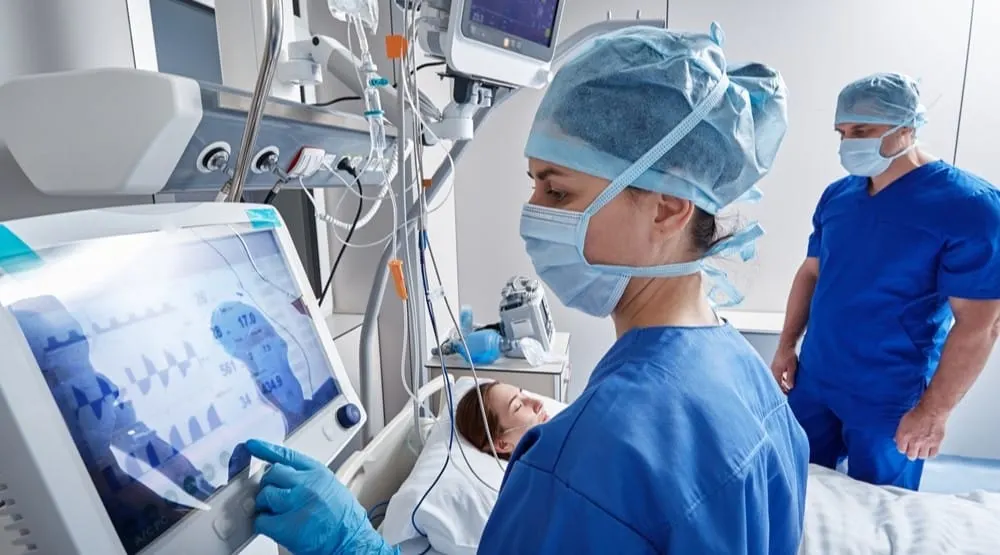
Intensive care units, which are indispensable components of the healthcare system, are departments where patients requiring intensive medical care are monitored and treated by health professionals specialized in the field. In intensive care units, specialist doctors and nurses closely monitor patients' vital functions with the help of technologically advanced equipment and carry out urgent medical intervention when necessary.
Intensive care units are divided into first-, second- and third-level intensive care according to patients' health conditions. In Level 3 intensive care units, patients whose lives are at serious risk are monitored and treated. So, when is Level 3 intensive care needed? Which patients require Level 3 intensive care? Questions such as these about Level 3 intensive care are discussed in detail below.
Hospital intensive care units are one of the most important and vital units offered by modern medicine. Intensive care units play a critical role in saving lives by providing intensive care and treatment to patients facing serious and life-threatening conditions. Today, intensive care units are divided into three classes. Third-level intensive care units are equipped with next-generation technological equipment and are units where medical interventions are at the highest level. In first- and second-level intensive care units, intensive care physicians come to the intensive care unit when needed to monitor patients' condition. In third-level intensive care units, however, a specialist physician is present 24 hours a day. Specialist physicians closely monitor patients' vital functions 24 hours a day thanks to advanced technological monitors.
Third-level intensive care units are managed by expert teams consisting of intensive care physicians, nurses, medical technicians and other healthcare workers. Healthcare professionals in Level 3 intensive care units continuously monitor vital functions such as respiration, pulse and body temperature of patients and intervene urgently when necessary. The primary aim of third-level intensive care units is to keep patients' health status stable, support organ functions and bring possible complications under control. In Level 3 intensive care units, physicians from different specialties such as intensive care physicians, surgeons, anesthesiologists, infectious disease specialists, dietitians and physiotherapists come together and contribute to the patient's treatment. In other words, a multidisciplinary approach is adopted in Level 3 intensive care.
Which Patients Are Admitted to Level 3 Intensive Care?
Third-level intensive care units provide monitoring and treatment for patients with serious and complex health problems. Some of the patient groups that may require Level 3 intensive care can be listed as follows:
Patients with dysfunction of vital organs such as heart failure, kidney failure, liver failure,
Patients with multiple organ failure, in whom more than one organ system is functioning inadequately,
Advanced burns requiring intensive care,
Severe injuries, especially multiple fractures, internal organ injuries or brain trauma,
Patients at risk of developing complications after vital surgical operations such as heart surgery.
In third-level intensive care units, the treatment process of patients at vital risk is carried out by a team specialized in the field. Early diagnosis plays an important role in the prevention of health problems that pose a vital risk. Do not neglect to undergo regular check-ups for your health.
Which Treatments Require Level 3 Intensive Care?
In third-level intensive care units, many treatment methods are applied to increase the chance of survival of patients at vital risk, primarily respiratory support. The main treatment procedures applied in Level 3 intensive care units can be listed as follows:
In patients experiencing breathing difficulty, respiratory function may be supported with the help of special respiratory devices.
In patients with heart failure or circulatory disorders, medications with blood-thinning properties may be used to regulate circulation. In addition, if the heart is beating more slowly than it should, a temporary or permanent pacemaker may be implanted.
In patients with kidney failure, treatment methods such as dialysis may need to be applied to remove toxins and excess fluid from the body.
The vast majority of patients admitted to Level 3 intensive care are unable to meet their nutritional needs by mouth. Therefore, the nutritional needs of these patients can be met through a vein or with a thin tube connected to the digestive tract.
One of the important health problems encountered in Level 3 intensive care units is sepsis, which develops due to infection and is also known as blood poisoning. If a severe infection develops, specialist physicians can bring the infection under control with the help of certain medications.
What Are the Medical Monitoring Processes in Intensive Care?
Intensive care units are departments where patients at vital risk are continuously and carefully monitored and treated. The main monitoring processes applied in intensive care units are as follows:
Monitoring of vital functions: The blood pressure, heart rate, respiratory rate, body temperature and oxygen saturation of patients in the intensive care unit are regularly monitored. Close monitoring of vital functions is critically important for following the patient's health status, evaluating the effectiveness of treatment and intervening urgently if necessary.
Evaluation of tests: Patients admitted to intensive care units are regularly subjected to certain laboratory tests. When specialist physicians deem it necessary, various radiological imaging methods may also be used. The results of these tests are regularly checked by physicians. In this way, patients' organ functions and signs of infection can be observed, and the treatment procedure can be changed if necessary.
Monitoring of response to medication: One of the treatment methods frequently applied in intensive care is drug therapy. Intensive care specialists closely follow the patient's response to the medications used. In this way, new medications can be added to the treatment when necessary, medications in use can be discontinued and/or dose adjustments can be made.
Monitoring of basic needs: Some patients receiving treatment in intensive care may experience problems with basic needs such as eating, drinking and going to the toilet. The patient's fluid-electrolyte balance is closely monitored, and nutritional and fluid support is provided if necessary.
Level 3 Intensive Care Standards
Third-level intensive care units are places where the treatment and monitoring of patients at vital risk are carried out. As with other intensive care units, third-level intensive care units must also meet certain standards. In third-level intensive care units, to be able to admit patients in situations requiring urgent intervention and to allocate more resources when needed, there must be at least six beds. In addition, for appropriate personalized treatment to be applied to patients, it is important that physicians specialized in different branches such as internal medicine, general surgery, anesthesiology and reanimation are present in Level 3 intensive care units. Additionally, since patients treated in Level 3 intensive care units must be closely monitored, there must be at least 1 nurse for every 3 patients.
One of the most important standards of third-level intensive care units is that they have next-generation medical devices. One invasive hemodynamic monitor per bed, one ventilator per bed, laryngoscopes, infusion pumps, blood gas analyzers, blood, serum and patient warming systems, transport ventilators, defibrillators and feeding pumps are devices frequently used in intensive care units. These medical devices can help with monitoring patients' vital functions such as respiration and circulation and with planning the treatment process.
Most of the devices in intensive care units run on electrical energy. For this reason, it is also very important for intensive care units to have an uninterruptible power supply. In this way, medical devices can continue to operate even in the event of a power outage. Intensive care units should also include equipment necessary for the performance of certain medical procedures. Third-level intensive care units must have sufficient medical equipment and devices to carry out treatment procedures such as orotracheal intubation (placing a tube into the trachea through the mouth) and/or nasotracheal intubation (placing a tube into the trachea through the nose), thoracentesis (drainage of fluid within the chest), arterial catheterization and placement of a feeding tube.
In addition, it is also important for third-level intensive care units to have at least 1 isolation room for every 6 beds, against the risk of spreading infection.
Do not neglect to make an appointment and undergo regular check-ups to prevent any health problem from progressing. If necessary, whether you need intensive care is evaluated by specialist physicians in their field, and vital risks can be prevented.
Frequently Asked Questions
Level 3 intensive care units are departments where intensive monitoring and treatment are carried out, significantly increasing the chance of survival for patients at vital risk. Frequently asked questions about third-level intensive care units are detailed below.
The length of stay in intensive care varies from patient to patient. This period can range from several days to several years. Patients admitted to intensive care are generally people with a health problem of vital importance. In addition, in some cases it may be necessary to admit a patient to the intensive care unit to protect them from the risk of infection. Treatment of patients who require close monitoring after surgery, who need respiratory support, who do not need respiratory support but have developed single or multiple organ failure, who have experienced burns or injuries, who are at risk of infection, and who have shock and similar serious health problems is carried out in intensive care units. No, intensive care is not required after every surgery. The need for intensive care after surgery varies depending on the type of surgery, the patient's general health status and the risk of possible complications. In first- and second-level intensive care units, nurses are present 24 hours a day, although physicians may provide consultation services or come to intensive care when needed. In Level 3 intensive care units, however, doctors and nurses are present 24 hours a day. Intensive care rooms are hospital departments containing devices that allow close monitoring of patients' vital functions and life-saving interventions such as respiratory support when needed. Responsible nurses in intensive care must all hold an intensive care certificate. However, in Level 3 intensive care units, other nurses who have worked for more than 3 months may also serve as intensive care nurses. Early diagnosis can help prevent many diseases. Do not neglect to make your appointment and undergo the necessary check-ups for your health.