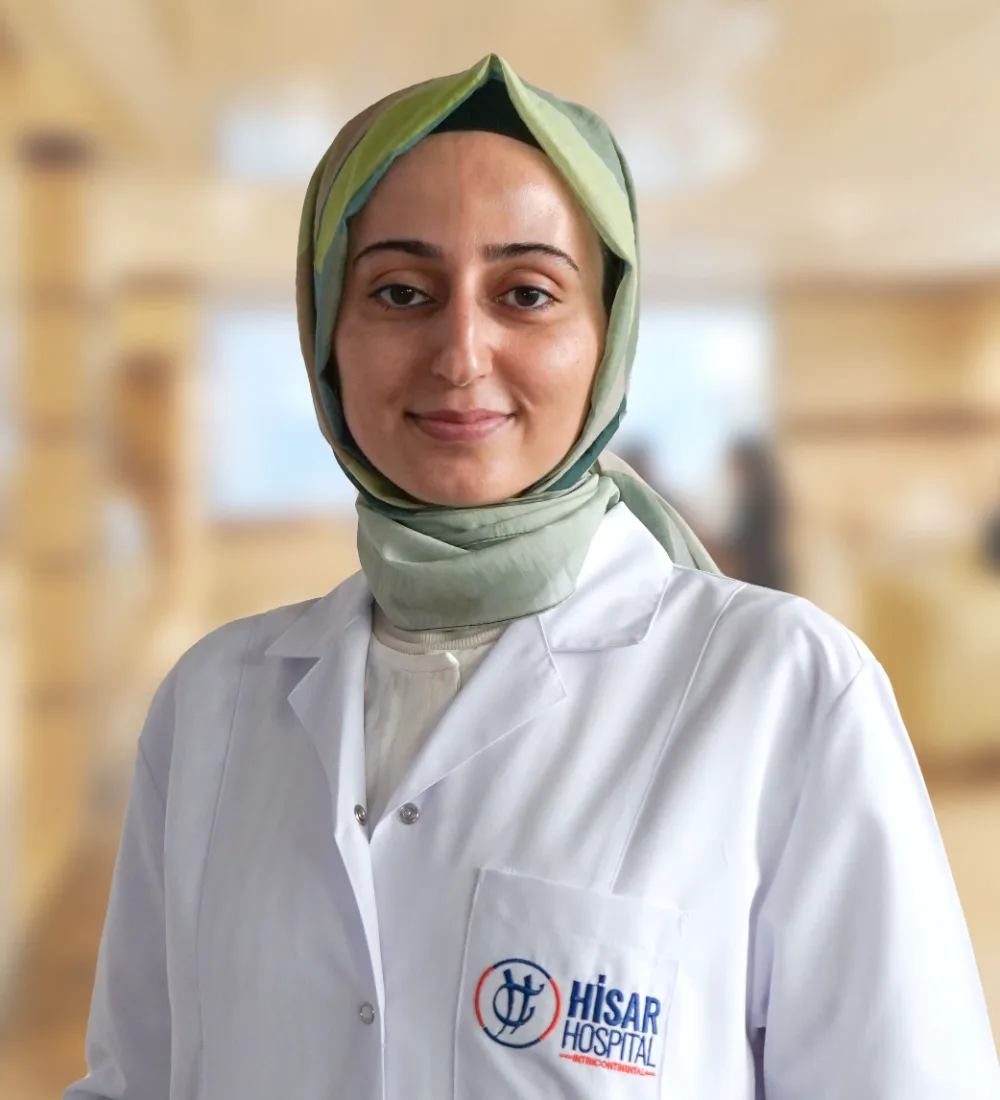
Hyperbaric Oxygen Therapy is a medical treatment in which 100% oxygen is given, based on administering oxygen at 2-3 times (generally 2.5-2.6 times) atmospheric pressure at sea level. In this way, the oxygen level in target tissues, which has been reduced, can be increased up to 20 times depending on the chamber pressure used, while also greatly shortening the healing process for diabetic foot injuries that occur as a result of uncontrolled diabetes. Hisar Hospital Intercontinental Hyperbaric Oxygen Therapy Unit Specialist Dr. Fulya Erişkon provided information about the areas of use of hyperbaric oxygen therapy.
Highly effective for diabetic foot wounds!
When diabetic foot injuries are not treated correctly, many patients can lose their limbs. With hyperbaric oxygen therapy, oxygen reaches the tissues more quickly, which allows the wounds of patients, especially those with diabetes, to heal faster. Cells that cannot perform their function due to lack of oxygen are supported. It prevents the growth of bacteria that multiply in an oxygen-free environment and reduces the effectiveness of some toxins they release into the environment. It supports the cells responsible for the body's defense.
Breathing 100% oxygen under pressure
After patients are placed inside the chamber, they are seated in their chairs and the process called "diving" begins; the term "diving" means increasing the pressure. Once the desired pressure is reached, patients breathe 100% oxygen through a mask from the oxygen distribution system inside the chamber. In the majority of hyperbaric oxygen therapy applications, patients breathe oxygen at a pressure equal to 2-2,5 times the atmospheric pressure we normally live in, that is, equivalent to a depth of 10-15 meters under the sea.
Treatment is given sitting or with the help of a stretcher
Pressure chambers have windows called "lumbos" and cameras connected to these windows. Inside the pressure chamber there are seats for patients to sit comfortably or, if needed, a stretcher arrangement so they can receive treatment lying down. The chambers used in our country are fully automatic 10- to 16-person chambers. During the first minutes of treatment, called "diving", patients feel the pressure increase inside in their ears, just as during an airplane trip or when descending from high mountains. Patients equalize the pressure in their middle ears by swallowing as the pressure increases. Apart from this, no other discomfort occurs. Persons with a fear of being in enclosed spaces cannot be accepted for treatment.
The number of sessions may vary depending on the patient's condition
A hyperbaric oxygen therapy session usually lasts 1,5 to 2,5 hours, although this varies depending on the case. Most patients receive one session of treatment per day. However, in some emergency situations the daily treatment time may extend up to 6 hours. The total number of sessions varies depending on the disease, but in chronic diseases it is on average between 30 and 60 sessions.
Every age group can benefit from this treatment method
It has no serious side effects; the most common side effect is the effect of the pressure change on the middle ear. This is not dangerous and can be prevented by learning pressure-equalization techniques. Other side effects are quite rare and can be listed as oxygen toxicity, fear of being in enclosed spaces, and temporary myopia. In addition, hyperbaric oxygen therapy can be applied to patients of every age.