A brain pacemaker can change your life as an effective method used for dystonia treatment. Widely used in the treatment of movement disorders, this technique aims to reduce your involuntary movements by controlling specific areas in the brain with electrical stimulation.
In this article, we will provide you with detailed information about Dystonia Treatment. Clinical studies conducted for cervical dystonia treatment and other types of dystonia show that brain pacemaker application reduces symptoms between 30% and 60%. Moreover, a brain pacemaker constitutes a strong alternative in cases where methods such as dystonia medication or dystonia botox treatment are insufficient.
Thanks to brain pacemaker therapy, many patients who cannot get up without assistance and cannot walk alone find the chance to live independently again. This treatment offers an important option especially for individuals who ask whether there is a treatment for dystonia and have lost hope. It holds promise for various types of dystonia, including acute dystonia treatment and oromandibular dystonia treatment.
What are Dystonia and Tremor?
Holding an important place among movement disorders, dystonia and tremor are neurological disorders that have different mechanisms but can seriously affect daily life. These two conditions are among the most suitable candidates for brain pacemaker therapy.
Definition of dystonia disease
Dystonia is a movement disorder where muscles contract involuntarily, and it is the most common movement disorder after conditions such as Parkinson's disease and essential tremor. This disorder manifests as a recurring condition in which muscles in all or part of the body contract involuntarily. The muscle spasms experienced can be mild or severe, and these spasms are usually painful.
Affecting the body in different ways, dystonia can be classified as focal (one part of the body), segmental (two adjacent parts), or generalized (all parts of the body). It can occur in specific regions such as the neck, eyelids, jaw, vocal cords, or hands. For example:
Cervical dystonia: Occurs in the head and neck muscles, causing the head to move involuntarily or tilt to one side
Blepharospasm: Creates involuntary contractions in the eyelids and can make vision difficult
Oromandibular dystonia: Leads to speech, chewing, and swallowing problems by causing contractions in the jaw and tongue region
For dystonia treatment, medication and botox treatment are usually tried first, but when no response is obtained from these methods, brain pacemaker therapy emerges as an effective option.
Symptoms of essential tremor
Essential tremor is a neurological condition that causes involuntary shaking and rhythmic swaying, resulting from the cerebellum, which controls muscle coordination, failing to communicate properly with the relevant parts of the brain. Known as the most common of all neurological diseases except stroke, this disorder is more prevalent than Parkinson's disease.
Symptoms of essential tremor include:
Tremors that occur particularly in the hands and increase during movement (action tremor)
Involuntary movement of the head in a "yes" or "no" motion
Tremor in the vocal cords and a shaky voice
Difficulty in daily activities (such as writing, eating, dressing)
Essential tremor usually appears during adolescence or middle age (between 40-50 years of age). This disorder, whose frequency increases with age, is estimated to affect 1% of people worldwide and 5% of people over the age of 60. Genetic factors play an important role, and people with a family history of this disorder have a 50% chance of developing it.
Differences between dystonia and tremor
Understanding the fundamental differences between dystonia and tremor is of great importance in determining the correct treatment approach. The distinct differences between these two movement disorders are:
While dystonia is characterized by involuntary and continuous contraction of muscles, essential tremor manifests as involuntary tremors in certain parts of the body. Furthermore, while dystonia typically affects specific muscle groups of the body, essential tremor mostly affects both sides of the body, although one side may be affected more than the other.
While Parkinson's disease is fundamentally characterized by tremor, slowness, and stiffness, dystonia arises from involuntary muscle contractions. While abnormal postures and posture disorders are common in dystonia, tremors that increase especially during movement are at the forefront in essential tremor.
For specific dystonia types such as cervical dystonia treatment and oromandibular dystonia treatment, brain pacemaker therapy offers promising results, especially in cases where no response is obtained from dystonia medication or dystonia botox treatment.
What Does a Brain Pacemaker Do in the Treatment of Dystonia and Tremor?
Deep Brain Stimulation, also known in medical literature as a "brain pacemaker," is a surgical method that is a beacon of hope in the treatment of stubborn movement disorders. It provides significant improvement in involuntary movements, especially in dystonia and essential tremor.
How does a brain pacemaker work?
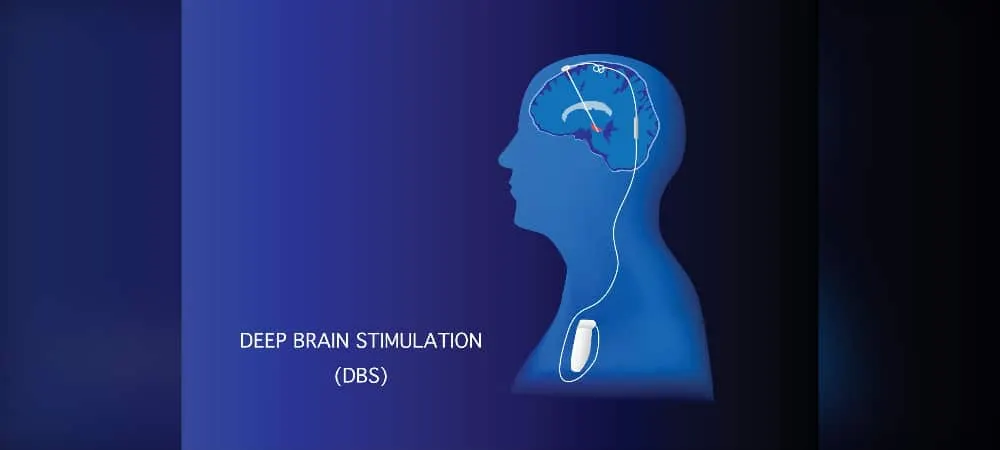
A brain pacemaker basically consists of electrodes placed in the brain and a generator implanted in the chest area. This system works no differently than a cardiac pacemaker, with the only difference being that it regulates the rhythm of the brain rather than the heart. Thin electrodes placed deep into the brain through small holes drilled in the skull are connected to the pacemaker in the rib cage.
The brain pacemaker works by sending low-voltage electrical currents to the brain regions associated with the disease (usually the globus pallidus). These electrical signals suppress the complex and incorrect signals produced by the brain, ensuring regular and rhythmic electrical activity. Thus, muscle contractions and tremors are reduced.
It is not possible to see the system from the outside; you can only feel it when you touch it with your hand. With regular adjustments made by experts, the level of electrical current can be customized to the individual's needs.
Which patients are suitable for?
Deep Brain Stimulation is particularly preferred in the following situations:
Patients who do not respond to drug therapy or cannot continue treatment due to side effects of medications
Individuals whose dystonia and tremor complaints severely restrict daily life activities
Patients with genetically transmitted dystonia; particularly gratifying results are obtained in this group
Patients who cannot perform basic activities such as writing or eating due to hand tremors caused by essential tremor
However, not every patient is a suitable candidate for brain pacemaker therapy. This treatment is not recommended for patients with severe psychiatric problems, signs of dementia, or uncontrolled chronic diseases.
Patients who do not respond to drug and botox treatment
Dystonia treatment is usually handled with a step-by-step approach. Medications are tried first, followed by botox injections into specific muscle groups. However, these methods may not always be sufficient.
Dystonia patients generally go through a similar treatment process: First, a handful of medications are given, and perhaps a partial improvement is seen in the first weeks. Over time, the effect of the medications begins to decrease or their side effects (excessive sleepiness, dizziness, forgetfulness) make life more difficult than the disease itself.
Similarly, patients who initially benefit from botox treatment may develop immunity over time, and the effectiveness of the treatment may decrease. This is precisely where brain pacemaker therapy comes into play.
With a brain pacemaker, contractions can be reduced by 80-90%, and the patient can walk without assistance and perform daily activities independently. As a result, the patient experiences moments where they feel as though they were reborn.
How is Brain Pacemaker Surgery Performed?
Brain pacemaker surgery is a procedure that must be meticulously carried out from the planning and preparation phase to the recovery process. The entire process is carefully designed to effectively reduce your dystonia or tremor symptoms.
Pre-surgery preparation process
Before brain pacemaker surgery, you undergo a comprehensive evaluation. First, detailed examinations are performed by a team consisting of neurologists specialized in movement disorders, neurosurgeons, and psychiatrists. You need to undergo separate evaluations while using medications and when not using them.
Before surgery, a detailed map of your brain is created using imaging methods such as MRI and tomography. This is of vital importance to determine exactly where the electrodes will be placed. In addition, blood tests, an anesthesia examination, and other routine checks are performed.
You need to stop taking blood-thinning medications a few weeks before the surgery. It is recommended that you do not use your Parkinson's medications starting from 20:00 on the night before the surgery, but continue your other medications, such as blood pressure or diabetes medications, in accordance with your doctor's recommendation.
Awake surgery technique
Brain pacemaker surgery is generally performed using the "awake surgery" technique. This means that your consciousness is open during the procedure and you can communicate with the surgeons. This method is very important to ensure that the electrodes are placed in the correct spot.
On the morning of the surgery, a metal apparatus called a skull frame (stereotactic frame) is attached to your head with local anesthesia. Then, thanks to this frame, the coordinates of the targeted points in your brain are calculated precisely. Small holes are drilled in your skull and electrodes are directed towards the brain.
During the surgery, the electrical activity of a single cell in the brain is listened to using the "microelectrode recording" technique, and the point that will yield the best result in dystonia treatment is determined. At this time, electrical stimuli are given to you to test how much your tremors are reduced.
Electrode and pacemaker placement procedure
After the electrodes are placed in the correct spot in the brain, the second stage of the surgical procedure begins. A small pocket is opened under the skin in the chest area below the collarbone or in the lower part of the rib cage, and the battery part (generator) of the brain pacemaker is placed.
The connection between the electrodes and the pacemaker is provided via extension cables passed under the skin. Since the entire system is placed inside your body, it is not visible from the outside; you can only feel it when you touch it with your hand. The surgery takes an average of 2 hours.
Post-surgery recovery process
You stay in the hospital for an average of 2 days after the surgery. In the first few days, you may have complaints such as headache and dizziness, but these usually pass on their own in a short time. Adjustments to your brain pacemaker are made gradually and power levels are increased slowly.
Within the first month after surgery, you begin to notice the improvement in your movements. Dystonia symptoms gradually decrease, and you become able to perform your daily life activities more comfortably. Full recovery usually takes a few weeks, and your doctor closely follows you during this process.
Quality of Life and Effects After Treatment
It is possible to see significant improvements in your life after brain pacemaker therapy. Following surgery, with correct patient selection and appropriate adjustments, positive changes in your muscle control and daily life quality are remarkable.
Decrease in muscle contractions
Brain pacemaker therapy can reduce muscle contractions by 80-90% in dystonia patients. A clear improvement is observed in involuntary muscle contractions and tremors. Thanks to this improvement, problems in constantly shaking hands, a bent neck, or contracted limbs are largely resolved.
The effects of the treatment may not be seen immediately. In dystonia patients, the full effect of the brain pacemaker appears within a few weeks or months after surgery. However, the degree to which symptoms will alleviate varies from patient to patient.
Ease in daily activities
You experience significant ease in daily life after brain pacemaker therapy. Especially:
Basic needs that you struggled with due to tremors, such as eating and drinking water, become easier
You can more comfortably perform tasks requiring fine motor skills such as writing and personal care
Since your mobility increases, your independent living skills develop
Over time, your medication usage may decrease, but this process must definitely be carried out under expert supervision. When working properly, the brain pacemaker takes over the effect of drug therapy, allowing doses to be reduced.
Results in cervical and oromandibular dystonia
In cervical dystonia treatment, the brain pacemaker provides a significant reduction in involuntary contractions of your neck muscles. You become able to hold your head in a normal position, which you previously could not hold steady. In oromandibular dystonia treatment, the decrease in contractions in your jaw and tongue region results in the alleviation of your speech and swallowing problems.
In dystonias due to genetic causes, it is recommended that the brain pacemaker be applied within the first few years in order for it to be beneficial (especially in children).
Outpatient clinic checks and pacemaker adjustments
Post-surgery regular checks are of great importance for your quality of life. The first programming usually starts one week after surgery. During this process, it is checked whether your system is working properly, and each of the electrodes is programmed separately to determine the most suitable setting for you.
Following the initial programming process, you need to come for a control check again 1.5-2 months later. Afterwards, routine checks are performed 3-4 times a year, approximately every 3-4 months. During these checks, the working status of your brain pacemaker is evaluated, and fine adjustments are made to the electrical current when necessary. In addition, necessary regulations in your medication treatment are also planned during these checks.
Risks and Limitations of Brain Pacemaker Therapy
Like other surgical interventions, brain pacemaker application has both benefits and certain risks. It is important to know potential complications and limitations for the success of this treatment.
Side effects and complications
Temporary psychiatric complaints can be seen in some patients after surgery. Depression, anxiety, or emotional changes may be experienced. In addition, changes may also occur in memory, concentration, and thinking processes.
While the brain pacemaker is active:
Muscle weakness
Balance problems
Difficulty in speaking
Blurred vision
such side effects can be experienced. These effects can generally be alleviated by correcting the settings of the pacemaker.
After surgery, some patients may be prone to gaining weight, especially in the first months, due to a decrease in joint stiffness and an increase in appetite. It is recommended to regulate dietary habits to prevent this situation.
Who is it not suitable for?
Brain pacemaker therapy may not be suitable for every dystonia and tremor patient. This treatment is particularly not recommended in the following situations:
Brain pacemaker surgery is not suitable for patients with severe psychiatric depression or a serious mental disorder (psychosis). Patients who have had such complaints in the past and recovered with psychiatric medication treatment must be closely monitored after surgery.
Brain pacemaker surgeries should not be performed in patients whose cognitive status is behind their age or who show signs of dementia. Furthermore, it is not a suitable option for individuals with severe chronic diseases that are not under control. However, controlled conditions such as hypertension, heart disease, or diabetes do not constitute an obstacle to surgery on their own.
Although there is no legal age limit, brain pacemaker surgery is generally not recommended in patients over the age of 80.
Battery life and technical limitations
The average lifespan of a brain pacemaker is approximately 5-6 years. This period can vary depending on the electrical stimulation given; it can be longer in some patients and shorter in others. When battery life decreases, an increase in complaints is seen in patients.
Rechargeable batteries can also be used with today's technology. The average lifespan of these batteries can extend up to 20-25 years, but they need to be charged on certain days of the week.
Battery replacement is a relatively simple and short procedure taking approximately 15-20 minutes that can be performed with local anesthesia. Only the pacemaker in the chest is replaced without interfering with the cables in the brain.
Sudden depletion of the pacemaker in dystonia patients can lead to a serious, life-threatening condition called "status dystonicus." Therefore, monitoring battery life with regular checks is of great importance.
Brain Pacemaker Therapy in Summary
In conclusion, brain pacemaker therapy offers new hope to dystonia and tremor patients. Even in patients who do not respond to drug and botox treatments, it can provide an 80-90% improvement. Thus, individuals who have experienced movement restriction for years can easily return to their daily lives.
Brain pacemaker surgery requires careful planning and an expert team. However, when correct patient selection is made, the benefits of the treatment will far outweigh the risks. Especially in genetic dystonias, early intervention yields better results.
Adjusting the pacemaker with regular checks after treatment is of great importance. Thus, the most appropriate stimulation specific to each patient is provided and side effects are minimized. In addition, monitoring the lifespan of the pacemaker is critical in terms of preventing complications.
Undoubtedly, although a brain pacemaker is a breakthrough technology in the treatment of dystonia and tremor, it may not be suitable for every patient. Comprehensive pre-treatment evaluation and realistic expectations will increase success.
It should not be forgotten that a brain pacemaker is a medical treatment, not a miracle. It does not completely eliminate the disease, but it increases your quality of life by significantly reducing symptoms. If you do not respond to drug therapy and your daily life is seriously affected, this treatment can be a new beginning for you.
Frequently Asked Questions
Curiosities about the brain pacemaker provide important information when making a treatment decision. We answered the most common questions about this treatment for you.
Is brain pacemaker therapy permanent?
Brain pacemaker therapy is not permanent; it keeps symptoms under control but does not completely eliminate the disease. The lifespan of the pacemaker varies depending on the usage setting - non-rechargeable ones last 3-5 years, while rechargeable ones can last 15-25 years. When the battery runs out, only the battery in the chest area is replaced with a 15-minute local anesthesia; the cables in the brain are not touched.
Does dystonia go away completely?
Dystonia does not go away completely, but a significant reduction in symptoms is achieved. Brain pacemaker therapy provides a 60-70% improvement in dystonia patients. The goal of the treatment is for patients to improve enough to meet their own needs and to reduce involuntary movements.
In how much time is recovery seen after surgery?
Patients can mobilize immediately after surgery. You are generally discharged at the end of the second day. The brain pacemaker is turned on after one week, and the settings of the pacemaker settle in about a month. A significant relief can be felt in some patients even on the operating table.
Can the brain pacemaker be seen from the outside?
The brain pacemaker cannot be seen from the outside. The pacemaker placed in the chest area is 5-7 cm long and 1 cm thick, standing as a slight bulge under the skin, does not cause discomfort in daily life, and is not noticeable through clothing.
What is done if dystonia does not go away with botox treatment?
When no response is obtained from botox treatment or when the body develops antibodies against the toxin over time, a brain pacemaker is considered as an alternative treatment. DBS is particularly preferred in patients resistant to drug and botox treatments.
Is brain pacemaker surgery risky?
As with any surgical procedure, brain pacemaker surgery has risks. However, under world standards, the risk to life is below 1%. The most likely risks are infection and bleeding, and these are minimized in experienced hands and a sterile environment.
Is there a treatment for dystonia?
Medications, botox injections, physical therapy, and in resistant cases, a brain pacemaker are used in the treatment of dystonia. The treatment plan is personalized according to the type and severity of dystonia. The first option is oral medications, then botox is tried, and if these are not sufficient, surgical options are evaluated.
A brain pacemaker is an effective method in the treatment of dystonia and tremor. It reduces involuntary movements by sending low-voltage electrical currents to the brain via electrodes.