

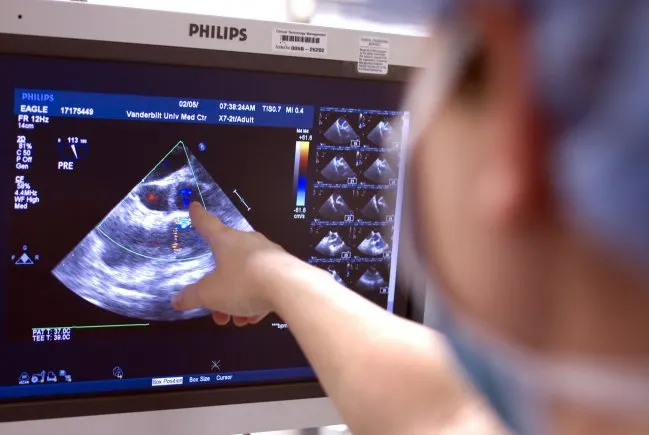
Recurrent pregnancy loss is defined as three or more pregnancies ending in miscarriage before the 20th week of gestation. Miscarriage may occur at least once in 10-20'% of women. That is, 1 in 5 women may have a miscarriage at least once in their lifetime. However, the likelihood of three or more consecutive miscarriages is seen in 1 in 100 women. This situation can challenge both the couple and the physician managing the patient's treatment.
When should pregnancy losses be investigated?
Although recurrent pregnancy loss is defined as three or more losses, two consecutive pregnancy losses, or miscarriages in the second trimester, are sufficient to begin diagnostic investigation.
What are the causes?
The causes of recurrent pregnancy loss can be classified into 6 groups;
Causes related to blood clotting
Hormonal causes
Systemic diseases in the mother
Causes related to the immune system
Structural abnormalities of the mother's uterus
Genetic disorders in the prospective mother and father
Which tests are performed to investigate the causes of miscarriages?
Tests related to blood clotting: Thrombophilia is a disorder related to blood clotting. It causes blood to clot within the blood vessels. In women with this condition, blood circulation disorders in the placenta may occur, which can lead to fetal losses in the later stages of pregnancy.
Hormonal causes:In 15-25% of patients with recurrent pregnancy loss, a condition called “Luteal Phase Defect” is present. In addition, a deficiency or excess of many hormones, such as thyroid hormones, can cause pregnancy losses.
Maternal diseases: Diabetes, polycystic ovary syndrome, thyroid diseases and obesity present in the mother can lead to recurrent pregnancy losses.
Causes related to the immune system: In recurrent pregnancy losses, it is thought that certain disorders related to the mother's immune system harm the pregnancy.
Structural abnormalities of the mother's uterus: The uterus, where the baby implants, is of great importance for a healthy pregnancy. Structural abnormalities of the uterus, masses, adhesions, fibroids (myomas) and polyps can cause miscarriages. In patients with recurrent pregnancy loss, the most commonly identified structure is one called a septum, which divides the uterine cavity.
Genetic disorders in the prospective mother and father: As is known, the formation of a baby requires the combination of healthy genes from the mother and father. In couples with recurrent pregnancy loss, genetic testing can be performed on both the prospective mother and the prospective father. However, even more important, in patients with recurrent pregnancy loss, genetic examination of the miscarriage tissue from a previous pregnancy will be very useful.
What can be done in treatment? Is bed rest beneficial?
The key to treatment and success lies in identifying the cause. When the cause of pregnancy losses is identified with the tests mentioned above, treatment will be much easier. On the other hand, patients who have experienced multiple miscarriages often prefer to undergo continuous bed rest in subsequent pregnancies so that the pregnancy is not put at risk. However, studies show that bed rest does not reduce pregnancy losses. Therefore, instead of recommending long-term and continuous bed rest, patients can be advised to restrict their activities, allowing them to go through a less stressful process. We look forward to welcoming couples experiencing recurrent pregnancy losses to our center, to provide scientific and compassionate support and counseling on their path to parenthood.
Start with the right assessment for Recurrent Pregnancy Loss
Share your symptoms with our specialist physicians; let us determine the right diagnosis and treatment plan together.
Warning
If your symptoms started suddenly, are progressing rapidly, or significantly restrict your daily life, consult a physician without delay.
Plan your Recurrent Pregnancy Loss journey with our specialists.
Fill in the form or book an appointment to learn about treatment options, the process and preparation.