

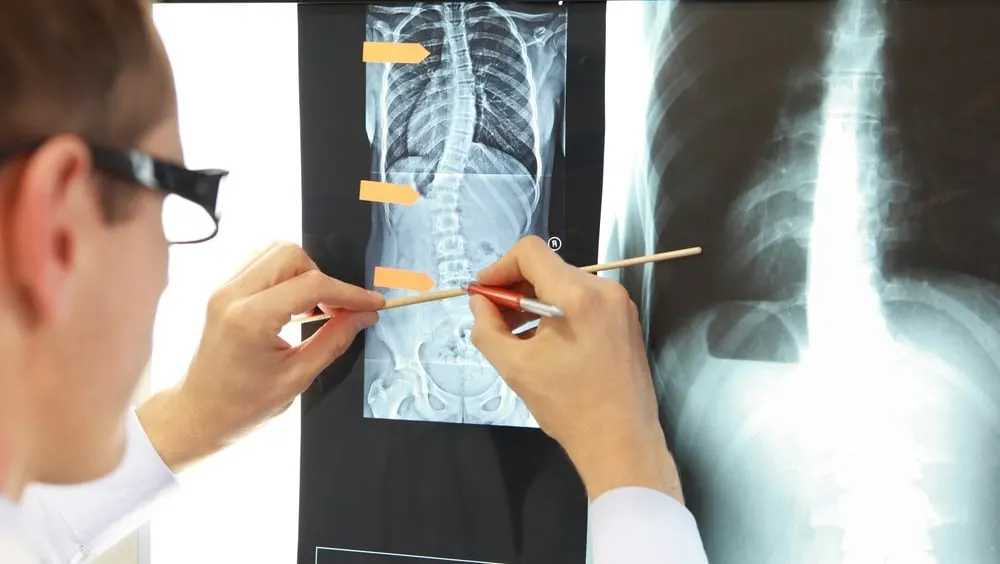
Scoliosis is a complex spinal condition characterized by an abnormal curvature of the spine. Affecting millions of individuals worldwide, it creates various challenges across age groups. This orthopedic disorder usually emerges during adolescence and, at varying degrees of severity, can lead to discomfort and potential complications if neglected. Managing scoliosis requires a holistic approach that addresses not only its physical aspects but also its broader effects on those living with the condition. The treatment options used to minimize the impact of scoliosis on quality of life are continuously evolving. One of the most current methods is tethered scoliosis surgery. To explore questions such as “How is scoliosis surgery performed?” in more depth, you may read on.
What Is Scoliosis? How Is It Treated?
Scoliosis is a skeletal disease characterized by an abnormal curvature of the spine. Symptoms of scoliosis include a lateral deviation of the spine in an "S" or "C" shape. Although this condition affects individuals of various age groups, it is usually detected during adolescence, when growth accelerates. Most cases of scoliosis are idiopathic, meaning the exact cause is unknown. However, other types may be linked to factors such as neuromuscular conditions or congenital abnormalities.
The normal curvature of the spine is important for maintaining balance and supporting the body’s weight, but scoliosis disrupts this alignment. This deviation not only affects the appearance of the spine but can also lead to various health problems. Regardless of the severity or progression of scoliosis, individuals with this condition may experience back pain, breathing problems and postural changes.
Early diagnosis is important for effectively managing scoliosis. Treatment approaches may include observation, physical therapy, brace use or, in more severe cases, surgical intervention. Regular follow-up and intervention aim to prevent progression of scoliosis and to alleviate potential complications associated with this spinal condition. Although scoliosis is not a disease in the traditional sense, it requires attention and appropriate care to address its effects on the individual’s health and overall well-being.
What Are the Treatment Methods for Scoliosis?
“Is there a treatment for scoliosis?” is one of the frequently asked questions. Scoliosis has more than one treatment method. Treatment methods for scoliosis vary depending on the severity of the curvature, the individual’s age and other factors. Some common approaches are:
Observation: In mild cases of scoliosis, especially in adolescents with minimal curvature, doctors may recommend regular monitoring rather than immediate intervention. Any progression can be tracked through X-ray imaging at set intervals.
Physical Therapy: Targeted exercises and physical therapy may help prevent progression of the curvature by increasing muscle strength and flexibility. Physical therapists can provide exercises tailored to specific needs.
Brace Use: Use of a scoliosis brace may be recommended in cases where the curvature is moderate and the individual is still in the growth phase. Wearing the brace for prescribed hours is designed to halt progression of the curvature.
Surgery: Surgery may be recommended in severe cases or where the curvature continues despite other interventions. Spinal fusion, a common surgical procedure, generally aims to stabilize the spine and reduce the curvature by joining the vertebrae.
What Is Tethered Scoliosis?
Tethered scoliosis surgery is known in English as vertebral body tethering (VBT). It is a surgical procedure designed as an alternative to the traditional spinal fusion method, particularly for adolescents with idiopathic scoliosis. Traditional scoliosis surgeries usually involve spinal fusion, in which two or more vertebrae are joined to stabilize the spine and prevent further curvature. In these traditional surgeries, rigid screws are placed in the affected vertebrae and a rigid rod is placed between them to correct the curvature. Although this method corrects the curvature, it restricts movement.
In non-fusion scoliosis surgery, however, a cord is placed instead of rigid metal rods. Thus, while aiming to correct the spinal curvature, it seeks to preserve the natural movement of the spine, in contrast to fusion.
How Is Tethered (Non-Fusion) Scoliosis Surgery Performed?
Tethered scoliosis treatment is generally recommended for adolescents with idiopathic scoliosis who have not yet reached skeletal maturity. The procedure is generally considered for curves within a certain range and located in a specific region of the spine. The procedure is performed under general anesthesia, so the patient is unconscious and pain-free during the operation. Small incisions are made on the side of the chest to access the spine.
Minimally invasive techniques are commonly used in tethered scoliosis treatment, which minimizes tissue damage and promotes faster recovery. Screws are then strategically placed in the vertebrae on the outer side of the spine. A flexible cord or band is attached to these screws and adjusted to apply tension. This tension gradually helps correct the spine over time, guiding its growth into a more aligned position.
After surgery, the patient is monitored, and adjustments to the band can be made during follow-up visits as needed. This allows for continuous correction and adaptation to the patient’s growth.
In Which Patients Is Tethered Scoliosis Surgery Performed?
Tethered scoliosis surgery is generally considered for a specific group of scoliosis patients. Typically suitable candidates are:
Adolescents with Idiopathic Scoliosis: Tethered scoliosis surgery is generally recommended for adolescents diagnosed with idiopathic scoliosis. Idiopathic scoliosis refers to cases where the cause of the curvature is unknown.
Patients Who Are Still Growing: “Up to what age is scoliosis surgery performed?” is one of the frequently asked questions. Tethered scoliosis surgery is generally more effective in patients who have not yet reached skeletal maturity. Because the procedure relies on the growth potential of the spine, it is generally performed on individuals in the growth stage.
Patients with Moderate Curvature: Tethered scoliosis surgery is generally considered for patients with a moderate degree of spinal curvature. The appropriate degree of curvature for VBT may vary, and decisions are generally based on individual assessments by spine specialists.
Patients with Flexible Curvature: Patients with flexible spinal curves are generally better candidates for VBT. Flexibility allows the band to guide the spine into a more aligned position over time.
What Are the Advantages of Tethered Scoliosis Surgery?
Tethered scoliosis surgery offers many advantages compared with traditional spinal fusion procedures. Some key advantages include:
Preservation of Spinal Movement: An important advantage of tethered scoliosis surgery is the preservation of spinal movement. Unlike fusion, it does not restrict movement in the treated area and allows a certain degree of natural movement of the spine. This may provide better overall flexibility and function.
Potential to Adapt to Growth: Tethered scoliosis surgery is generally performed in adolescents who are still growing. The procedure has the potential to adapt to spinal growth, making it a suitable option for individuals in the growth phase.
Less Impact on Adjacent Discs: Fusion surgery places additional stress on adjacent spinal segments, which may lead to increased wear and tear on those discs. Tethered scoliosis surgery aims to reduce the effect on adjacent discs by preserving movement and flexibility.
Minimally Invasive Approach: Tethered scoliosis surgery is generally performed using minimally invasive techniques. This results in less tissue damage, reduced postoperative pain and potentially faster recovery compared with traditional open surgeries.
Adjustability: The band used in tethered scoliosis surgery procedures is adjustable. This feature allows postoperative adjustments, which are used to accommodate the patient’s growth and maintain control of the spinal curvature.
Although this method has potential advantages, its suitability depends on the patient’s age, the degree and location of the curvature, and other individual factors. Any decision regarding tethered scoliosis treatment or any scoliosis surgery should be based on a comprehensive evaluation by a spine specialist. For detailed review and information on this subject, you may consult a doctor specialized in the field.
Frequently Asked Questions
To find answers to frequently asked questions about tethered scoliosis surgery, you may review the section below. The duration of tethered scoliosis treatment varies depending on the complexity of the case and the patient’s age. Preoperative evaluations may take several weeks. The surgical procedure generally lasts several hours. The postoperative recovery and rehabilitation process continues for weeks to months, and regular follow-up appointments are scheduled to monitor progress and make adjustments when necessary. The return to normal daily activities after tethered scoliosis treatment varies among individuals. Generally, patients can return to light activities within a few weeks and gradually resume normal activities over time. Full recovery may take from several weeks to months depending on the individual situation, and guidance from the healthcare team in this regard is important. It is important for patients to follow postoperative instructions carefully after tethered scoliosis treatment. Adherence to sports restrictions, physical therapy, activity restrictions and regular follow-up appointments after scoliosis surgery is vital. Any abnormal symptom, pain or concern should be reported to the healthcare team immediately. Patients need to be regularly monitored for progress, ongoing adjustments and support. Tethered scoliosis treatment has shown promising results in preserving spinal movement and correcting the curvature, particularly in growing adolescents. Although individual outcomes vary, studies indicate that tethered scoliosis treatment may be effective in reducing scoliosis progression while preserving flexibility, compared with traditional fusion surgeries. Yes, physical therapy is generally recommended after tethered scoliosis treatment. It plays an important role in helping patients regain strength, flexibility and correct posture. The answer to “How is scoliosis physical therapy performed?” differs for each individual, because physical therapy is tailored to the individual’s needs and helps optimize the results of the surgical intervention. The cost of tethered scoliosis treatment varies widely and may include surgery, hospital fees and postoperative care. Insurance coverage may also vary. Some insurance plans cover it, while others may not. Patients should contact their insurance providers and healthcare professionals to understand coverage and potential out-of-pocket costs. Tethered scoliosis treatment is suitable for adolescents who have not reached skeletal maturity. The ideal age range is generally during the growth phase, before the age of 18. However, suitability is assessed individually based on factors such as skeletal maturity and the degree of spinal curvature. The length of hospital stay after tethered scoliosis surgery is generally short, ranging from 1 to 3 days. The exact duration may vary depending on the individual’s recovery and the surgical approach. The healthcare team determines the appropriate length of hospital stay for each patient. Scoliosis is a serious condition that negatively affects the lives of individuals of all ages. For this reason, early diagnosis and treatment are crucial before the condition progresses further. If you have complaints related to scoliosis, or notice similar symptoms or suspect a spinal disorder, you can seek support from a specialist orthopedic surgeon.
Start with the right assessment for Current Treatment Method for Scoliosis: “Tethered Scoliosis Surgery”
Share your symptoms with our specialist physicians; let us determine the right diagnosis and treatment plan together.
Warning
If your symptoms started suddenly, are progressing rapidly, or significantly restrict your daily life, consult a physician without delay.
Plan your Current Treatment Method for Scoliosis: “Tethered Scoliosis Surgery” journey with our specialists.
Fill in the form or book an appointment to learn about treatment options, the process and preparation.




