

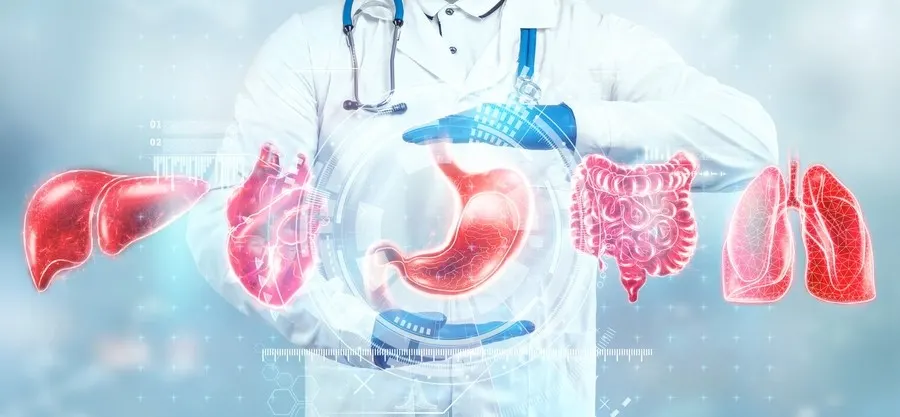
Multi organ failure is a progressive and serious health problem that threatens the lives of many people worldwide. Characterized by the impairment of the function of two or more independent organs, multi organ failure, also known as multiple organ failure, most often arises as a result of progressive health problems affecting organs such as the lungs, kidneys and liver. Multiple organ failure can cause serious problems in the body's ability to carry out its normal functions and may ultimately put a person's life at risk. Therefore, the factors that may cause multiple organ failure must first be treated, and organ failure must be prevented before it develops. Where the onset of organ failure cannot be prevented, however, it may be possible to keep the process under control through early diagnosis. What is multi organ failure, and what are its symptoms? How is the disease diagnosed and treated? Answers to these and other questions about multiple organ failure are provided below.
What Is Multi Organ Failure?
Multi organ failure, also known as multiple organ failure, is a health problem that refers to a condition in which the function of two or more organs is impaired at the same time. Impairment of varying severity, from mild to severe, may be seen in the affected organs. Even when mild, however, multi organ failure is a serious health problem and requires urgent intervention.
Multiple organ failure is usually mild at the initial stage, but over time the failure may worsen and create a life-threatening risk. The large majority of patients with multiple organ failure need intensive care support. Some studies suggest that approximately 40-50% of patients who develop multi organ failure may die. Therefore, intensive care support plays an important role in patients with organ failure.
In patients who develop multiple organ failure, the chances of successful treatment may increase if the treatment process is carried out by specialist physicians in a fully equipped healthcare facility. Organ failure may be acute, meaning it has a sudden onset, or it may develop over time under the influence of various factors. The proper functioning of organs such as the heart, lungs, kidneys and liver is essential for vital functions to continue. Multiple organ failure may be mentioned when two or more of organs such as the lungs, heart, kidneys and liver do not function as they should.
Multi organ failure can arise from many causes. Severe infections, septic shock, trauma, and some complications developing after major surgical operations are among the various health problems that can trigger the onset of multiple organ failure. According to scientific studies, the main causes of organ failure can be listed as follows:
Sepsis: In some cases, when there is a widespread infection in the body, the immune system may develop an excessive response against the infection. Depending on the excessive inflammatory response produced by the immune system, some tissues and organs may be damaged. This health problem, also called sepsis, in which one or more organs are affected, is, according to research, one of the main causes of multiple organ failure.
Trauma and injury: Under normal circumstances, when the immune system encounters situations such as injury or trauma, it develops an inflammatory response in order to repair the wound. In situations such as severe trauma or serious injury, an excessive inflammatory response may develop in the body. As a result of the excessive reaction of the immune system, some tissues and organs may be damaged. This may lead to organ failure.
Burns: Severe burns, as with infections and injuries, can cause serious tissue damage in the body and, consequently, widespread inflammation. In this case, blood flow to the organs may decrease and multi organ failure may develop.
Hypoperfusion: Due to the lack of sufficient blood flow to organs, that is, hypoperfusion, adequate amounts of oxygen cannot be delivered to tissues and organs. As a result, a condition leading to organ failure may emerge. Particularly in situations such as severe blood loss or heart failure, multi organ failure may arise due to hypoperfusion.
Medications: Especially when used for long periods or in excessive doses, some drugs can cause damage and functional impairment in organs such as the kidneys and liver.
Chronic diseases: Some chronic diseases, primarily pre-existing chronic kidney, liver or heart diseases, may lead to the gradual loss of organ function over time and to multiorgan failure.
Surgical operations: Major surgical operations may cause inflammation in the body and, consequently, tissue and organ damage, and can trigger multi organ failure.
Genetic factors: In some people, the risk of developing multi organ failure may be higher due to genetic predisposition.
Multi organ failure is usually a complex health problem that arises from the combination of more than one factor. Although the exact cause of multi organ failure is still not fully known, one or more of the factors listed above can lead to damage and functional impairment in organs, causing multiple organ failure to develop.
What Are the Symptoms of Multi Organ Failure?
Symptoms of multi organ failure vary depending on the affected organs; however, symptoms such as fatigue, difficulty concentrating and loss of appetite are commonly seen in patients with multiple organ failure. Since multi organ failure is a health problem characterized by the inability of two or more vital organs to perform their functions as they should, problems may arise in the respiratory, cardiovascular, digestive and excretory systems in the large majority of cases. The main symptoms of multi organ failure can be listed as follows:
Shortness of breath, skin color changes, rapid breathing and other respiratory system problems,
Swelling in the feet and legs, low blood pressure, irregular heart rhythm and other cardiovascular system problems,
Decreased urine output, excessive thirst and imbalance in fluid-electrolyte balance due to the kidneys not working as they should,
If the liver is affected, jaundice, fluid accumulation in the abdomen and abnormalities in liver function tests such as ALT-AST,
Digestive system problems such as loss of appetite, nausea, vomiting, diarrhea and constipation.
Multi organ failure may have a sudden onset, or it may develop gradually over time. This may cause the signs of organ failure not to be fully recognized at the beginning. Therefore, if you notice one or more of the symptoms listed above in yourself, do not neglect to make an appointment with a specialist physician and have the necessary check-ups done.
How Is Multi Organ Failure Diagnosed?
Organ failure can easily be diagnosed through certain laboratory tests and imaging methods applied by a specialist physician. The main diagnostic methods used in diagnosing organ failure are as follows:
Liver function tests such as ALT, AST and GGT, in which liver health is evaluated through the analysis of blood and urine samples and enzyme levels are examined,
Kidney function tests such as eGFR, in which kidney function is evaluated through blood and urine tests, and the filtration capacity of the kidneys and the level of waste products are measured,
Imaging methods such as ECG and ECHO that help evaluate heart functions,
Respiratory function tests and/or a chest X-ray to assess the functionality of the respiratory system, lung capacity and blood oxygen level,
In addition to those listed above, ultrasonographic imaging methods play an important role in the diagnosis of multi organ failure.
How Is Multi Organ Failure Treated?
The treatment process for multi organ failure varies depending on the patient's condition and the severity of organ failure. Treatment steps are generally as follows:
Emergency intervention: The specialist team aims, first of all, to stabilize the patient's condition and support vital functions through treatment methods such as providing respiratory support, maintaining fluid-electrolyte balance, oxygen therapy and regulating blood pressure in the treatment of organ failure.
External support of the failing organ: With the help of today's developing technology, interventions performed with special devices from outside, such as a dialysis machine (in patients with kidney failure) and a mechanical ventilator (in patients with respiratory distress), can support organ functions.
Treatment of the underlying health problem: After the patient's condition has been stabilized, specialists begin treatment by first identifying the main cause of multi organ failure. For example, if organ failure is caused by an infection, the infection must be treated first.
Supportive care: To maintain the patient's general health, information is given to both the patient and their relatives on issues such as nutritional support, pain management and protection from infection. In this process, if the patient needs intensive care, it is important that the process progresses under the supervision and control of intensive care nurses 24/7.
Rehabilitation: Rehabilitation programs are applied to enable the patient to return to daily life after organ failure. During the rehabilitation process, methods such as physical therapy and speech therapy may be used.
In the treatment process for multi organ failure, a treatment plan specific to each patient is prepared. How long the treatment will last varies depending on the severity of the failure and the patient's general health condition. It is important that regular check-ups are carried out during and after treatment as recommended by the doctors. It is also important for patients and doctors to act together during the treatment process. If you are also struggling with multi organ failure, do not neglect to make an appointment with a specialist physician and have your regular check-ups done.
Frequently Asked Questions
The answers to some of the frequently asked questions about multiple organ failure, a serious health problem manifested by impairment of the function of two or more organs, are detailed below. Since multi organ failure is a health problem in which more than one organ is affected, it requires a multidisciplinary approach. Therefore, doctors from different specialties, primarily internal medicine, cardiology, gastroenterology and chest diseases specialists, are closely involved in the diagnosis and treatment of the disease. Among the first signs of organ failure are difficulty performing daily tasks, fatigue and loss of appetite. One of the main causes of multi organ failure is infectious diseases. Viral infections that do not resolve for a long time can damage tissues and organs over time, leading to organ failure. Organ failure is a serious health problem. In patients who develop multiple organ failure, daily life may be adversely affected due to symptoms such as shortness of breath and easy fatigue. In the intensive care process, a treatment program aimed at supporting the patient's vital functions, such as respiration, circulation and digestion, is primarily followed. The patient's vital functions are monitored 24/7 by intensive care nurses so that intervention can be made when needed. Although genetic factors play a role in the development of multiple organ failure, organ failure most often develops later due to reasons such as infectious diseases, medications used and chronic diseases. Organ failure is a serious health problem that threatens life if it is not diagnosed and treated at an early stage. In some cases, a routine screening test can help detect organ failure at an early stage. Therefore, do not neglect to make an appointment with a specialist physician and have your regular check-ups done.
Start with the right assessment for What Is Multi Organ Failure? How Is It Managed?
Share your symptoms with our specialist physicians; let us determine the right diagnosis and treatment plan together.
Warning
If your symptoms started suddenly, are progressing rapidly, or significantly restrict your daily life, consult a physician without delay.
Plan your What Is Multi Organ Failure? How Is It Managed? journey with our specialists.
Fill in the form or book an appointment to learn about treatment options, the process and preparation.