

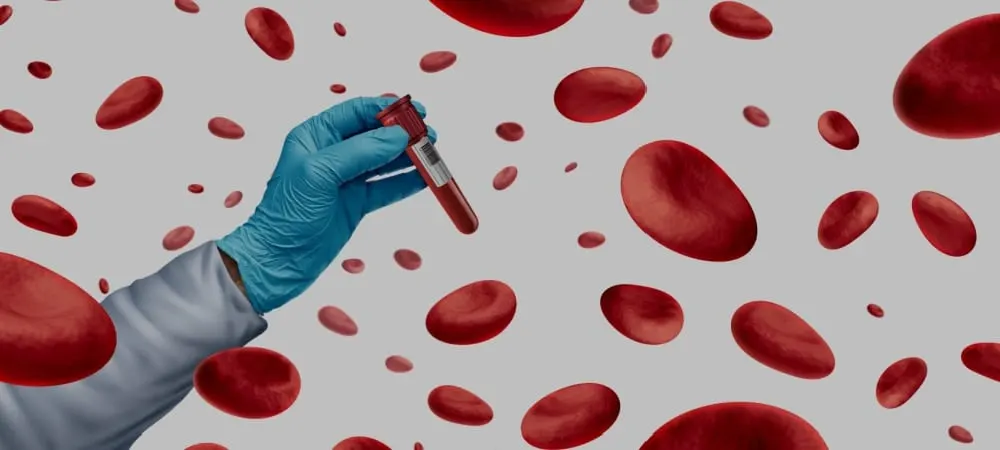
Aplastic Anemia
Aplastic anemia is a type of blood disorder that manifests itself when the bone marrow fails to produce new blood cells due to various reasons. If the bone marrow cannot perform blood cell production as it should, life-threatening serious complications may develop in addition to mild symptoms such as weakness and fatigue. Today, while stem cell transplantation is known as the only treatment method for severe aplastic anemia cases, it is also possible to control symptoms with treatment methods such as regular blood transfusions.
What is Aplastic Anemia?
Aplastic anemia is a rare but potentially life-threatening blood disorder if not intervened early, in which the bone marrow's ability to produce blood cells is severely reduced or completely halted. Under normal conditions, the bone marrow regularly produces red blood cells, which are responsible for carrying oxygen in the body, white blood cells, which fight infections, and platelets, which are responsible for stopping bleeding.
In the case of aplastic anemia, the bone marrow cannot produce all three types of blood cells in sufficient quantities. Therefore, one of the characteristic features of aplastic anemia is pancytopenia, a term used to describe the general decrease in red blood cell (erythrocyte), white blood cell (leukocyte), and platelet counts. Experts often state that aplastic anemia is a much more serious health problem than types of anemia such as iron deficiency anemia. According to experts, aplastic anemia is a blood disorder characterized by the coexistence of leukopenia, anemia, and thrombocytopenia.
What Are the Symptoms of Aplastic Anemia?
If one or more of the blood cells cannot be produced properly in the bone marrow, many complications can develop. In aplastic anemia patients, due to the cessation or reduction of red blood cell production responsible for oxygen transport, blood rich in oxygen and nutrients cannot be transported to tissues and organs. Furthermore, due to the deficiency of white blood cells, the body cannot fight infections as it should, and since there are not enough platelets, a potential bleeding cannot be stopped in time. As a result, various symptoms such as fatigue, weakness, shortness of breath, frequent recurring infections, bleeding, and bruising can be observed.
Since aplastic anemia symptoms are usually mild at first, the vast majority of patients may not notice the symptoms initially. In some cases, causes such as a viral infection disease can cause the bone marrow to suddenly stop blood cell production, and symptoms can appear severely. The main symptoms of aplastic anemia can be listed as follows:
Viral infection diseases that frequently recur and last longer than normal,
Fatigue,
Easy bleeding and bruising,
Shortness of breath,
Palpitations,
Paleness in skin color,
Dizziness,
Headache,
High fever,
Extreme sensitivity to cold or heat,
Nosebleeds,
Gum bleeding,
Menstrual bleeding that is heavier than normal,
In addition to the listed symptoms, if not intervened in the early stages, aplastic anemia can also cause an increased risk of internal bleeding.
What Causes Aplastic Anemia?
The vast majority of aplastic anemia cases fall into the class of idiopathic diseases. In other words, the exact cause of the disease cannot be determined precisely. Some studies on the causes of aplastic anemia show that approximately 60% of aplastic anemia cases are diagnosed as idiopathic. Many factors, ranging from certain medications used, viral infection diseases such as hepatitis, to chemical exposures such as benzene, can impair the bone marrow's ability to create blood cells.
Depending on its causes, aplastic anemia is examined in two sub-classes: acquired and inherited. Acquired aplastic anemia is an autoimmune disorder that develops as a result of the immune system perceiving the bone marrow as foreign and attacking it. Acquired aplastic anemia, which also means developing after birth, can appear at any period of life for any reason. Although 75% of acquired, meaning later-onset, aplastic anemia cases are idiopathic aplastic anemia, there are also various risk factors thought to play a role in the development of the disease. Accordingly, the causes of acquired aplastic anemia can be listed as follows:
Exposure to toxins such as pesticides and arsenic,
Cancer treatment methods such as radiation and chemotherapy,
Other autoimmune diseases such as rheumatoid arthritis and lupus,
Certain medications used,
Pregnancy,
Infection diseases such as hepatitis, Epstein-Barr virus, and cytomegalovirus,
Spread of another cancer to the bone marrow.
Although aplastic anemia etiology studies reveal that the exact cause of the disease cannot be determined, the disease can rarely occur due to the influence of genetic factors. Inherited aplastic anemia, which is usually diagnosed in childhood, is often accompanied by other genetic diseases.
How is Aplastic Anemia Diagnosed?
Patients who apply to a healthcare institution with complaints such as weakness, fatigue, paleness in skin color, easy bleeding, or bruising are first physically examined by an expert internal medicine physician. At the same time, experts resort to a complete blood count test, also referred to as a hemogram, at this stage. Thanks to the complete blood count, also known as a hemogram, doctors can have an idea about issues such as the numbers and sizes of red blood cells, white blood cells, and platelets in the blood. Finding low counts in all three blood cells, which are evaluated among the aplastic anemia diagnostic criteria, can create strong suspicion for aplastic anemia among experts.
In cases where aplastic anemia is suspected, a microscopic examination method called peripheral smear, which allows a more detailed examination of blood cells, is resorted to by a physician specialized in the field of hematology. Following these evaluations, a bone marrow biopsy may be applied to confirm the diagnosis.
How is Aplastic Anemia Treated?
The treatment of aplastic anemia can vary from patient to patient. In mild aplastic anemia cases, supportive treatments such as blood transfusions to help replace missing blood cells, antibiotic or antiviral therapy against infections can often help alleviate the patient's symptoms. Additionally, an iron chelation protocol can be included in the treatment process against the risk of iron accumulation due to long-term blood transfusions. Since the cause of the disease in the vast majority of AA cases is the immune system attacking the bone marrow due to an abnormal response, immunosuppressive treatments can also be beneficial.
In severe aplastic anemia patients, the only treatment method may be stem cell transplantation. If there is a compatible donor with the patient, transplanting the stem cells taken from the donor to the patient can enable the bone marrow to produce healthy blood cells again. In stem cell transplantation, also known by its other name bone marrow transplantation, the patient's damaged bone marrow must first be eliminated. Treatment methods such as chemotherapy and radiation therapy can be used during this process to disable the damaged bone marrow. When the patient is ready for transplantation, stem cells taken from a healthy person are transplanted into the patient in a manner similar to a blood transfusion. Following the transplantation, under normal conditions, the bone marrow begins to produce new blood cells within 10-14 days. It may take up to 1 year for the new bone marrow to fully regain the ability to produce blood cells after transplantation.
Frequently Asked Questions
In the vast majority of aplastic anemia patients, the disease occurs later due to the effect of treatment methods such as medications used, radiotherapy, and chemotherapy. However, especially in individuals with another genetic disorder, the disease can also be inherited genetically. Aplastic anemia is a blood disorder characterized by the insufficient or zero production of blood cells by the bone marrow, meaning it is not cancer. On the contrary, individuals with aplastic anemia may have a higher risk of contracting types of cancer such as leukemia compared to healthy individuals. Aplastic anemia is not a contagious disease. However, viral infection diseases such as hepatitis and Epstein-Barr can be triggers for aplastic anemia. In severe aplastic anemia patients, bone marrow transplantation, also referred to as stem cell transplantation, can be the only treatment option if a suitable donor is available. A successful bone marrow transplantation can ensure the complete recovery of the disease and significantly increase the quality of life. If not intervened in the early stages, aplastic anemia can cause life-threatening complications such as frequently recurring infections, internal bleeding, and heart failure. In aplastic anemia, the values of cells such as red blood cells, white blood cells, and platelets, which are normally expected to be in the thousands and millions, are seen well below reference values. As a result of blood tests performed, an RBC (red blood cell) count below 40,000/μL, a WBC (white blood cell) count below 500/μL, and a platelet count below 20,000/μL may suggest aplastic anemia. Aplastic anemia can affect people of all age groups. Inherited aplastic anemia is particularly more common in children. Aplastic anemia can be completely cured with a successful bone marrow transplantation. Anemia, commonly known among the public as blood deficiency, is usually used to describe low red blood cells. Aplastic anemia, on the other hand, affects white blood cells and platelets in addition to red blood cells. It is important for aplastic anemia patients to pay attention to healthy and balanced nutrition during the treatment process. Due to the inadequacy of immune cells, it is important for them to follow hygiene rules against infections and avoid contact with sick individuals. Additionally, the body needs to be supported with adequate sleep against symptoms such as fatigue and weakness.
Aplastic anemia is a rare but serious blood disorder that can lead to complications. If you are experiencing symptoms such as fatigue, weakness, easy bleeding, or bruising, consult our specialist physicians without wasting time. You can contact us immediately from the Book an Appointment or Contact pages.
Start with the right assessment for What is Aplastic Anemia? Symptoms, Causes, and Treatment
Share your symptoms with our specialist physicians; let us determine the right diagnosis and treatment plan together.
Warning
If your symptoms started suddenly, are progressing rapidly, or significantly restrict your daily life, consult a physician without delay.
Plan your What is Aplastic Anemia? Symptoms, Causes, and Treatment journey with our specialists.
Fill in the form or book an appointment to learn about treatment options, the process and preparation.