

Varicose Veins – Vascular Surgery
Varicose veins, which can cause pain and swelling in the legs, can become a serious health problem if no precautions are taken. Varicose veins, which can develop especially in women as a result of frequently wearing high heels and standing for long periods, can be eliminated without pain or discomfort using non-surgical treatment methods!
About the Department
The scope, approach and highlighted services of the department.
Varicose veins can cause skin discolouration over time
Varicose veins develop when the veins that carry deoxygenated blood back to the heart widen as a result of excessive pressure and obstruction and lose their ability to return blood to the heart. Due to valve insufficiency and excessive pressure in the veins, the superficial veins of the legs dilate and form varicose veins that look elongated, twisted and greenish-blue. If left untreated, varicose veins can progress and lead to skin discolouration, blood clots and ulcers.
Most common in women, and more frequent with age
Varicose veins occur in about 20% of adults and in 50% of people over the age of 50. Among patients over 70, the prevalence of varicose veins is 70 to 80%. Because wearing high heels and using birth control pills cause blood stasis and clot formation in the veins, varicose veins are most common in women. Prolonged inactivity, excess weight and genetic predisposition are also predisposing factors for varicose vein disease.
Summer is coming – protect yourself from the heat!
Applying heat to relieve leg pain in people with varicose veins is quite harmful. Now that the summer months are here, choices such as burying the legs in the sand at the beach for hours or soaking in hot spring water for long periods to relieve the pain of heat-aggravated varicose vein complaints can have dangerous consequences. In addition, standing still for long periods and wearing high heels have a negative effect on this condition and can increase patients' complaints and complications.
The treatment method varies depending on the condition of the varicose veins
Varicose veins are treated with different methods depending on their type, size and extent. The aim of treatment is to relieve symptoms, prevent complications and improve appearance. If they do not cause much discomfort and symptoms are minimal, your doctor may recommend lifestyle changes. However, in the case of severe complaints, blood clots or skin changes, the most suitable treatment method will be recommended.
With sclerotherapy, medication is delivered into the vein and no anaesthesia is needed
Sclerotherapy, used in the treatment of varicose veins, is performed under local anaesthesia in operating room conditions without any incision, with ultrasound guidance, by injecting medication into the vein. After this non-surgical varicose vein treatment, the patient can get up after 2-3 hours of rest and go home. Wearing compression stockings for 3-4 days is sufficient.
The foam method is effective for moderate varicose veins!
It is the same method as sclerotherapy. However, the substance that is injected in pure form in sclerotherapy and micro-sclerotherapy is mixed with air in this method. When the substance reacts with air, it takes on a foam-like consistency, which is why it is called the foam method. It is very effective in the treatment of medium and large varicose veins and is widely used.
The radiofrequency method is performed under anaesthesia
The patient may require deep, short-acting anaesthesia. After 6-8 hours, once the effects of the anaesthesia have been assessed, the patient can go home. There are no disadvantages such as incisions, stitches, bed rest, general anaesthesia or loss of work time. The patient can resume social life right after treatment. Compression stockings must be worn for 1 week after treatment. In the laser ablation method, the procedure is performed with ultrasound guidance. Its use has declined with the use of radiofrequency and medical adhesive. In addition, laser and radiofrequency treatment may also be needed for the treatment of spider veins for our health and well-being.
It offers the patient comfort during treatment
The procedure is completed within a few hours without exposing the patient to anaesthesia.
It delivers excellent results in varicose vein treatment.
The patient can return to work and daily life on the same day.
It leaves no spots or scars on the skin after treatment.
The patient can stand up 30 minutes after the procedure.
There is no permanent hardness or tightness in the treated vein area.
Varicose vein and vascular surgery is the medical specialty concerned with the diagnosis and treatment of disorders of the arteries, veins and lymphatic system. Although it is often confused with cardiac surgery by the general public, the two specialties differ considerably. Depending on the severity of the vascular disease, open surgery or less invasive procedures may be performed. Examples of conditions treated include varicose veins, aortic aneurysms, peripheral vascular disease and blood clots. Commonly used procedures in the treatment of these conditions include angioplasty, stenting, arterial or venous bypass surgery and aortic aneurysm repair.
What Is Varicose Vein and Vascular Surgery?
Varicose vein and vascular surgery focuses on diagnosing and treating diseases that affect the vascular system, which consists of the body's various blood vessels. Physicians who perform diagnosis and treatment are generally called vascular surgeons. Vascular surgeons are physicians trained and specialised in many areas, such as general surgery and open vascular surgery. Surgical intervention is not always required during treatment. In some cases, lifestyle changes and medical treatment may be sufficient to treat the patient's condition.
What Are Varicose Vein and Vascular Diseases?
The term vascular diseases is used for the conditions treated by vascular surgeons. This term covers any condition affecting the arteries, the veins, the small capillaries that carry blood and the lymphatic vessels that contain white blood cells. Some vascular diseases are seriously life-threatening, and various invasive procedures are required to treat them. Brief information about highly prevalent varicose vein and vascular diseases is given below:
Varicose Veins: These are bulging, swollen and twisted blood vessels just beneath the surface of the skin. Varicose veins are a health problem that usually occurs in the lower body. The blue and purple bulges are mostly seen on the legs, feet and ankles. This condition can cause pain or itching. Although they do not pose a serious threat for most patients, patients may seek treatment because of their bothersome appearance. Causes include the loss of vein elasticity due to ageing; in women, the stretching of vein walls due to hormonal changes during pregnancy, with birth control pills and in menopause; family history; lifestyle habits; chronic constipation; smoking and excess weight.
Blood Clots: A blood clot is a semi-solid or gel-like mass that forms in the arteries or veins. Blood clots that form in the veins can cause pulmonary embolism. Blood clots blocking blood flow in the brain can cause a stroke, and in the heart a heart attack. Pregnancy, obesity, advanced age, cancer, hormone therapy, using birth control pills, smoking and immobility increase the risk of developing a blood clot.
Aortic Aneurysm: Aortic aneurysms are balloon-like bulges that form in the aorta, the main artery that carries oxygen-rich blood through the body. These bulges can form anywhere along the aorta. Abdominal aortic aneurysm is the most common site of aneurysm development and forms along the part of the aorta that passes through the abdomen. Thoracic aortic aneurysm forms along the part of the aorta that passes through the chest cavity. An aortic aneurysm increases the risk of a tear in the inner layer of the aortic wall. This can lead to life-threatening internal bleeding. It can develop and grow without causing any symptoms. Therefore, early diagnosis and treatment are vitally important.
Peripheral Artery Disease: Peripheral artery disease is a type of cardiovascular disease that affects the blood vessels. It is characterised by the build-up of plaques made of fat and cholesterol in the arteries of the legs and arms. This plaque build-up is also known as atherosclerosis. Plaque deposits are hard on the outside and soft on the inside; the hard surfaces can crack and allow platelets to gather in the area. Blood clots can form around the plaques, narrowing the arteries even further. If blood clots and plaques narrow or block the arteries, blood cannot pass through to nourish organs and other tissues. As a result, tissue damage occurs, which can eventually lead to gangrene. Risk factors include tobacco use, diabetes, advanced age, a family history of heart and vascular disease, hypertension, hypercholesterolaemia and blood clotting disorders. People with peripheral artery disease are more likely to have a heart attack, stroke, ischaemic attack or coronary artery disease than someone without the disease.
What Are the Symptoms of Varicose Vein and Vascular Diseases?
Some vascular diseases develop acutely and may not cause symptoms. On the other hand, some chronic or slowly progressing diseases may cause various symptoms. Symptoms may vary depending on the type of disease and where it develops. Therefore, it may not be accurate to generalise about the symptoms. The symptoms of varicose vein and vascular diseases can be listed by disease as follows:
Symptoms of Varicose Veins:
Twisted, swollen, cord-like, blue-purple veins,
A tired, heavy or numb feeling in the leg muscles, especially after physical activity,
Itching, pain, muscle cramps, swelling in the feet and ankles,
Brown discolouration of the skin,
Venous ulcers (sores).
Symptoms of Blood Clots:
Cramping pain,
Swelling,
Change in skin colour,
Increased warmth in the arms or legs,
Sudden shortness of breath,
Sharp chest pain that worsens when breathing in and out,
Coughing,
Coughing up blood.
Symptoms of Aortic Aneurysm:
Sudden dizziness and light-headedness,
Increased heart rate,
Sudden, severe chest, abdominal and back pain,
Difficulty breathing and shortness of breath,
Feeling full earlier than usual,
Pain where the aneurysm is growing,
Pain or difficulty when swallowing,
Swelling in the arms, neck and face.
Symptoms of Peripheral Artery Disease:
Pain, cramping, numbness and discomfort in the legs and hips,
Burning and pain in the feet and toes, especially when lying flat or resting at night,
Change in skin colour on the legs,
Shiny skin,
Erectile dysfunction in men,
Open sores on the feet and legs that do not heal,
More frequent skin and soft tissue infections.
How Are Varicose Vein and Vascular Diseases Diagnosed?
Varicose vein and vascular diseases can be diagnosed through a physical examination based on the patient's symptoms, blood tests, imaging methods and various invasive and non-invasive methods. Some diseases do not cause symptoms and may be diagnosed incidentally during routine health screenings. For this reason, individuals in potential risk groups in particular may be advised to see a physician regularly and attend routine check-ups. Disease-specific information on the diagnostic methods for varicose vein and vascular diseases is given below:
Diagnosis of Varicose Veins: Because the veins are close to the skin surface and easily visible, the diagnosis can usually be made during a physical examination. Ultrasound, a safe and painless imaging method, may be used to obtain detailed images of the veins and to understand complications.
Diagnosis of Blood Clots: When a blood clotting disorder is suspected, various blood tests may be used for diagnosis. The prothrombin time test can be used to determine how quickly the blood clots. It can also help adjust the dose of blood-thinning medication if such medication is being used. The activated partial thromboplastin time test, fibrinogen test and complete blood count are diagnostic tests used for similar purposes.
Diagnosis of Aortic Aneurysm: Many aneurysms develop without causing symptoms. Aneurysms are usually diagnosed during a routine check-up or screening. If there is a high likelihood of developing an aortic aneurysm or if there are any symptoms of an aneurysm, various imaging tests can be used for diagnosis. Computed tomography (CT), magnetic resonance imaging (MRI), angiography and ultrasound are imaging methods used in diagnosis.
Diagnosis of Peripheral Artery Disease: After a physical examination, a review of risk factors and the patient's medical history, advanced diagnostic methods may be used. These non-invasive methods help diagnose blockages that develop in the blood vessels. Examples include the ankle-brachial index, pulse volume recording and vascular ultrasound. An invasive test called angiography may also be performed to detect blockages in the arteries.
How Are Varicose Vein and Vascular Diseases Treated?
Although lifestyle changes, medication and physical exercise may be sufficient to treat diseases in the early stages, minimally invasive and surgical procedures may be required in advanced stages. Ablation may be used to close varicose veins, angioplasty and stent placement to open blood vessels, stent graft placement to support weakened vessels and thrombolytic therapy to break up blood clots. Open vascular surgery provides direct access to and intervention on the vessel. Disease-specific information on the treatment procedures for varicose vein and vascular diseases is given below:
Treatment of Varicose Veins: For early-stage varicose veins, lifestyle changes and supportive compression stockings may be recommended. A solution that makes the vein walls stick together can be injected into the vein. This procedure is called sclerotherapy; thanks to this injection, the veins turn into scar tissue and fade away. Varicose vein surgery is performed in cases deemed necessary by surgeons. It is also called the ligation and stripping procedure. To treat varicose veins, vascular surgery ties off the affected vein to prevent blood from pooling (ligation) and may remove the veins to prevent varicose veins from reappearing (stripping). Varicose vein surgery is a form of treatment that requires attention in terms of complications. Possible complications include infection, deep vein thrombosis, scarring, skin burns and nerve injuries.
Treatment of Blood Clots: Anticoagulant medications are usually used when a blood clot has formed in only one vein or artery. Anticoagulants reduce the blood's ability to clot and prevent additional clots from forming. However, these medications must only be used on a physician's recommendation. Using them without supervision can lead to various drug and food interactions or bleeding problems. In emergencies such as stroke, surgeons can break up blood clots with a procedure called thrombolytic therapy.
Treatment of Aortic Aneurysm: To prevent an unruptured aortic aneurysm from growing, medications may be prescribed to improve blood flow, lower blood pressure and manage cholesterol. Large aneurysms at risk of rupture may require surgery. In open aneurysm repair, the aneurysm is removed and a graft, a special piece of tubing, is sewn in its place to repair the artery. This procedure can also be performed if the aneurysm ruptures. Endovascular aneurysm repair is a minimally invasive procedure used to repair aortic aneurysms. During the procedure, a graft is placed using a catheter to strengthen or repair the artery.
Treatment of Peripheral Artery Disease: Treatment of peripheral artery disease has two main goals: to reduce the risk of developing cardiovascular disease and to relieve pain that occurs while walking. At this stage, various lifestyle changes, medical treatments, and minimally invasive and surgical treatments are needed. Lifestyle changes include quitting tobacco products, following a diet low in cholesterol, fat and sodium, following a regular exercise programme, reducing stress and treating conditions such as hypertension, hypercholesterolaemia and diabetes. Medical treatments include medications for high blood pressure, high cholesterol, diabetes and anti-clotting medications, used on a physician's recommendation. Using these medications without expert advice is quite risky. For patients with advanced peripheral artery disease who have severe pain and limited mobility, minimally invasive or surgical treatments such as angioplasty, stenting, peripheral artery bypass surgery and atherectomy may be performed.
Frequently Asked Questions
What Happens If Varicose Veins in the Legs Are Not Treated?
If left untreated, varicose veins can cause open sores, bleeding and skin discolouration. Severe varicose veins can be a sign of chronic venous insufficiency. This condition affects the ability of the veins to pump blood back to the heart. Patients with varicose veins are more likely to develop blood clots. Possible complications include superficial thrombophlebitis, deep vein thrombosis and pulmonary embolism.
How Many Days of Hospital Stay Are Needed After Varicose Vein Surgery?
After varicose vein surgery, patients can go home on the same day or the next day. However, a few days of rest are necessary. Recovery time varies from patient to patient. Patients are advised to consult the surgeon who performed the operation for comprehensive information.
How Can You Tell If You Have a Blocked Blood Vessel?
Pain or discomfort, swelling and oedema, and red, blue and purple patches on the skin may develop in the area of the blockage. If these symptoms develop, you should seek specialist advice immediately. Physicians can make a diagnosis with imaging tests such as X-rays and carry out the necessary treatment procedure.
Which Doctor Treats Leg Veins?
Vascular surgeons have extensive knowledge of treating vascular problems both surgically and medically. They are physicians who, after medical school, have received specialist training in the vascular field and become professionals in this specialty.
Where Does a Blocked Blood Vessel Cause Pain?
Vascular blockages usually develop in the arms and legs. They can cause pain in these areas where the blockage develops and in the surrounding tissues.
What Complaints Does a Blocked Blood Vessel Cause?
A blocked blood vessel can cause pain and swelling in the area of the blockage, changes in skin tissue, cell and tissue death, organ damage and failure, and serious complications such as heart attack and stroke.
How Do We Know If There Is a Vascular Blockage?
Vascular blockage is a medical problem that can be diagnosed after an examination by a specialist physician. If symptoms appear, you should consult a physician.
Does Stress Cause Blocked Blood Vessels?
Repeated and prolonged episodes of stress can lead to changes in the structure of the blood vessels. They can cause hardening of the arteries and, over time, blockages.
Varicose vein and vascular diseases become more common with age. People with a family history of vascular and heart disease, pregnant women, and patients with high cholesterol and high blood pressure are at high risk. An unhealthy lifestyle can also lead to vascular problems. These diseases do not always cause symptoms and can develop acutely. Therefore, it is advisable not to neglect check-ups, to adopt healthy lifestyle habits, to exercise and to learn about possible symptoms.
Varicose veins develop when the veins that carry deoxygenated blood back to the heart widen as a result of excessive pressure and obstruction and lose their ability to return blood to the heart. Due to valve insufficiency and excessive pressure in the veins, the superficial veins of the legs dilate and form varicose veins that look elongated, twisted and greenish-blue. If left untreated, varicose veins can progress and lead to skin discolouration, blood clots and ulcers.
Author
Web and Medical Editorial BoardReviewed by a specialist
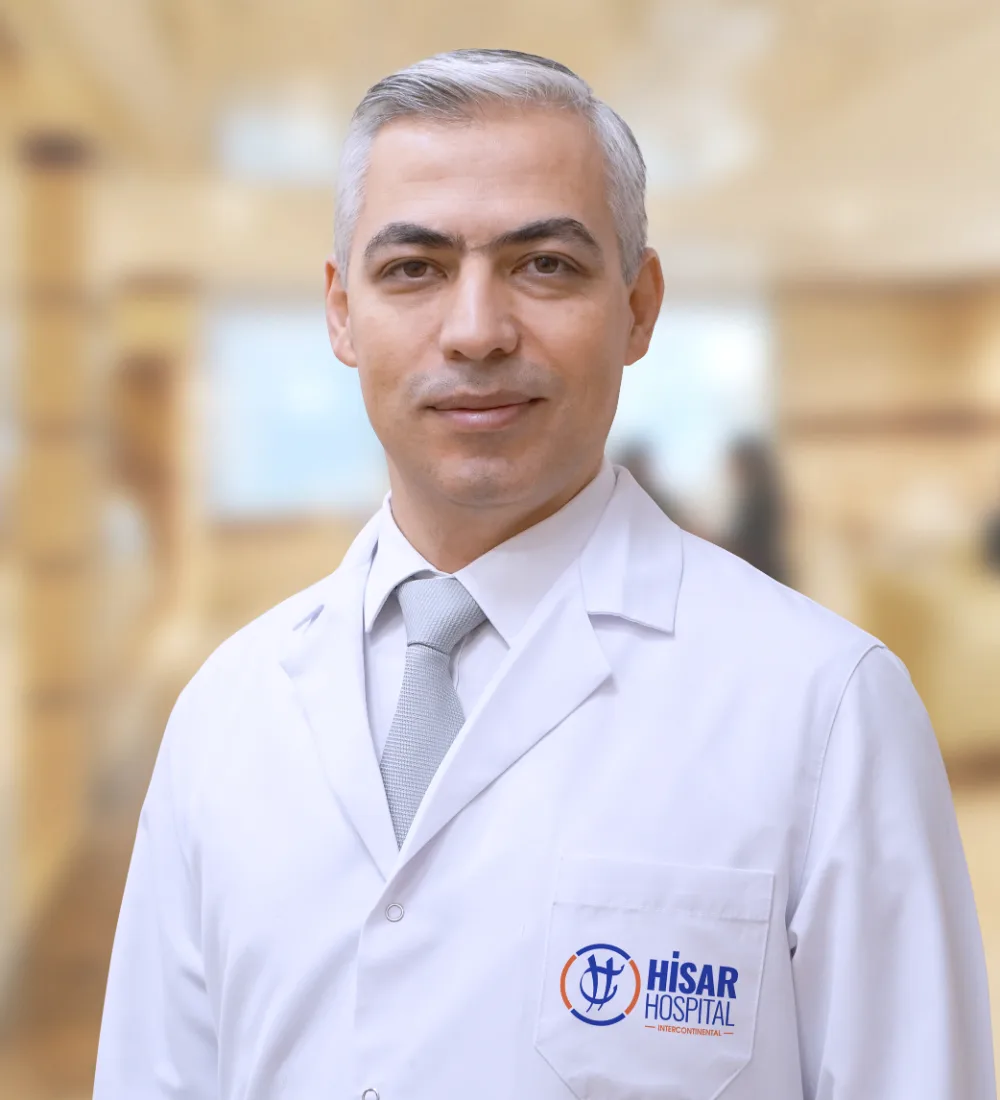 Assoc. Prof. Dr. S. Hilmi AksoyInterventional RadiologyReview date: 02 November 2026
Contact
Varicose Veins – Vascular Surgery Department — Get in Touch
Fill out the form with your questions; our team will call you back as soon as possible.
The Hisar Hospital Web and Medical Editorial Board contributed to the development of this content. All content on this website is provided for general informational purposes only. Please consult a physician for the evaluation, diagnosis and treatment of your condition.
Last Updated: