

Smoke-Free Living Clinic
At the Smoking Cessation Clinic opened in our hospital, cessation methods are used to overcome smoking-related problems and addiction, with the aim of helping people quit smoking and achieve a higher-quality, healthier life…
About the Department
The scope, approach and highlighted services of the department.
At the Smoking Cessation Clinic opened in our hospital, efforts are made to help patients quit smoking by using cessation methods to overcome smoking-related problems and addiction, with the goal of a higher-quality and healthier life. Among the most important causes of the three diseases that lead to early death in Türkiye (heart diseases, cancer, and cerebrovascular diseases) is smoking. Smoking is also a leading preventable and controllable cause of these diseases. Recent scientific research reveals the incredible extent of the harms of secondhand smoke, or passive smoking, in pregnant women, babies and children. Cigarette addiction, which is widespread across society and has dropped to the early teens, is increasing steadily due to social and psychological reasons. In addition, the desire to imitate and the sense of belonging created by advertisements in written and visual media, and by people and other elements, also play an important role in the growth of this addiction. Hisar Hospital Intercontinental has decided to continue its "Smoking cessation treatment," previously carried out within the Chest Diseases department, by establishing a separate unit and clinic, the "Smoke-Free Living Clinic," to make our fight against smoking more effective and efficient. In our newly opened clinic, successful treatment is targeted through check-up packages that show the harms of smoking, carbon monoxide (CO) measurement, and examination and treatment protocols integrated with psychotherapy under the supervision of a specialist psychiatrist, in addition to medical treatments. Patients addicted to smoking who have firmly decided to quit and apply to our clinic by appointment are included in the program after examination and follow-up checks at 2, 4 and 6 weeks. Treatment is supported with individual or group psychotherapy at regular intervals.
Did you know?
Smoking, whose consumption is increasing day by day, especially among young people and women, is a harmful tobacco product that, when started at an early age, has a higher rate of addictiveness, is 8 times more habit-forming than heroin and cannabis, contains over 4000 chemical substances in its smoke that are toxic, carcinogenic and lethal, and has no benefits whatsoever for the human body. It contains 50 direct carcinogenic additives. Secondhand smoke from the environment, taken in through passive smoking, contains more nicotine than the mainstream smoke. The rate of death from cancer among smokers is 20 times higher than among non-smokers. 90% of lung cancers are caused by smoking, and it is the cancer type that kills the most people in the world. It is the #1 cause of preventable diseases and deaths. It kills one person every 8 seconds. In addition to causing CANCER in all organs, it causes many diseases or increases their incidence, including chronic bronchitis, emphysema, chronic obstructive pulmonary disease (COPD), asthma, hypertension, high cholesterol, stroke, heart attack, ulcers, infertility, bone loss, yellowing of the teeth, bad breath and sudden death. In women who smoke, it causes premature birth, and in babies, physical and mental developmental delay. Unfortunately, despite all of this, hidden advertisements and promotional campaigns are causing consumption rates to rise day by day, especially in underdeveloped countries. While consumption rates have decreased by 30% in developed countries, they have increased by 80% in our country. It is responsible for the deaths of 4.8 million people per year; in our country, 100,000 people die from this enemy every year. In medicine, smoking addiction is defined as a disease that must be treated. We invite our patients who do not resist quitting smoking, who have strong willpower, who think about their health and future, but who unfortunately have become dependent, to take on this struggle by their own choice, and we hope to meet on healthy, smoke-free days.
Smoking cessation treatment is carried out at our hospital under physician supervision. If you find it difficult to quit smoking on your own, you can get help by applying to our Smoke-Free Living Clinic. Our clinic operates by appointment, and after an initial examination, patients who decide to quit smoking are enrolled in a package program if they wish. In addition to medical treatments, treatment is targeted through check-up programs that show the harms of smoking, carbon monoxide (CO) measurement, and examination and treatment protocols integrated with psychotherapy under the supervision of a psychiatrist. Patients who struggle during quitting are supported with behavioral therapy. Individual and group therapies are conducted at regular intervals, and adherence to treatment is monitored with check-ups at weeks 2, 4 and 6.
When You Quit Smoking
Within the first 20 minutes: Your pulse, blood pressure, and the temperature of your hands and feet return to normal.
8-24 hours later: Your blood oxygen level, the amount of oxygen reaching your tissues, and your energy increase.
The carbon monoxide gas in your blood decreases.
Your risk of having a heart attack begins to decrease from the first day; at the end of one year, the risk is reduced by 50%.
The risk of brain hemorrhage and gangrene in the legs decreases by 30-50%.
On the third day, your senses of taste and smell improve.
Between two weeks and three months: Your lung capacity increases by 30%, and you can comfortably exercise.
Coughing and phlegm decrease and disappear.
Your immune system begins to strengthen.
The yellow stains on your teeth and fingers disappear.
After one year: Your risk of heart attack and brain hemorrhage decreases by 50%.
After five years: Your risk of lung and other organ cancers decreases by 50% compared to a person who smokes one pack a day.
After ten years: Your risk of stroke falls to the same level as that of people who have never smoked.
After fifteen years: Your risk of heart attack becomes the same as that of people who have never smoked.
Those at home, at work, and in social settings who do not smoke and are bothered by your smoking, as well as your loved ones, will never be exposed to smoke.
You can be a good example to your children.
You will reduce your children's risk of catching ear infections, tonsillitis, sinusitis, bronchitis, wheezing, asthma and similar illnesses.
You will save money, since your spending on cigarettes and healthcare costs, such as doctor visits and medication, will decrease.
Did you know?
Smoking, whose consumption is increasing day by day, especially among young people and women, is a harmful tobacco product that, when started at an early age, has a higher rate of addictiveness, is 8 times more habit-forming than heroin and cannabis, contains over 4000 chemical substances in its smoke that are toxic, carcinogenic and lethal, and has no benefits whatsoever for the human body.
It contains 50 direct carcinogenic additives.
Secondhand smoke from the environment, taken in through passive smoking, contains more nicotine than the mainstream smoke.
The rate of death from cancer among smokers is 20 times higher than among non-smokers.
90% of lung cancers are caused by smoking, and it is the cancer type that kills the most people in the world.
It is the #1 cause of preventable diseases and deaths. It kills one person every 8 seconds.
In addition to causing CANCER in all organs, it causes many diseases or increases their incidence, including chronic bronchitis, emphysema, chronic obstructive pulmonary disease (COPD), asthma, hypertension, high cholesterol, stroke, heart attack, ulcers, infertility, bone loss, yellowing of the teeth, bad breath and sudden death.
In women who smoke, it causes premature birth, and in babies, physical and mental developmental delay.
Unfortunately, despite all of this, hidden advertisements and promotional campaigns are causing consumption rates to rise day by day, especially in underdeveloped countries. While consumption rates have decreased by 30% in developed countries, they have increased by 80% in our country.
It is responsible for the deaths of 4.8 million people per year; in our country, 100,000 people die from this enemy every year.
It is estimated that 10 million people will die from it in 20 years.
In medicine, smoking addiction is defined as a disease that must be treated.
Some chemicals in cigarette smoke
Nicotine (addictive)
Carbon monoxide (exhaust gas)
Arsenic (poison)
Methyl alcohol (rocket fuel, the lethal alcohol in bootleg liquor)
DDT (insecticide)
Cadmium (car battery)
Hydrogen cyanide (gas chamber poison)
Butane (stove gas)
Acetone (nail polish remover)
Naphthalene (moth killer)
Ammonia (cleaning agent)
Toluene (thinner)
We invite our patients who do not resist quitting smoking, who have strong willpower, who think about their health and future, but who unfortunately have become dependent, to take on this struggle by their own choice, and we hope to meet on healthy, smoke-free days. Let us never start smoking. Let us be good examples to our children. If we have started, let us quit. We wish you healthy, smoke-free days.
At the Smoking Cessation Clinic opened in our hospital, efforts are made to help patients quit smoking by using cessation methods to overcome smoking-related problems and addiction, with the goal of a higher-quality and healthier life. Among the most important causes of the three diseases that lead to early death in Türkiye (heart diseases, cancer, and cerebrovascular diseases) is smoking. Smoking is also a leading preventable and controllable cause of these diseases. Recent scientific research reveals the incredible extent of the harms of secondhand smoke, or passive smoking, in pregnant women, babies and children. Cigarette addiction, which is widespread across society and has dropped to the early teens, is increasing steadily due to social and psychological reasons. In addition, the desire to imitate and the sense of belonging created by advertisements in written and visual media, and by people and other elements, also play an important role in the growth of this addiction. Hisar Hospital Intercontinental has decided to continue its "Smoking cessation treatment," previously carried out within the Chest Diseases department, by establishing a separate unit and clinic, the "Smoke-Free Living Clinic," to make our fight against smoking more effective and efficient. In our newly opened clinic, successful treatment is targeted through check-up packages that show the harms of smoking, carbon monoxide (CO) measurement, and examination and treatment protocols integrated with psychotherapy under the supervision of a specialist psychiatrist, in addition to medical treatments. Patients addicted to smoking who have firmly decided to quit and apply to our clinic by appointment are included in the program after examination and follow-up checks at 2, 4 and 6 weeks. Treatment is supported with individual or group psychotherapy at regular intervals.
Author
Web and Medical Editorial BoardReviewed by a specialist
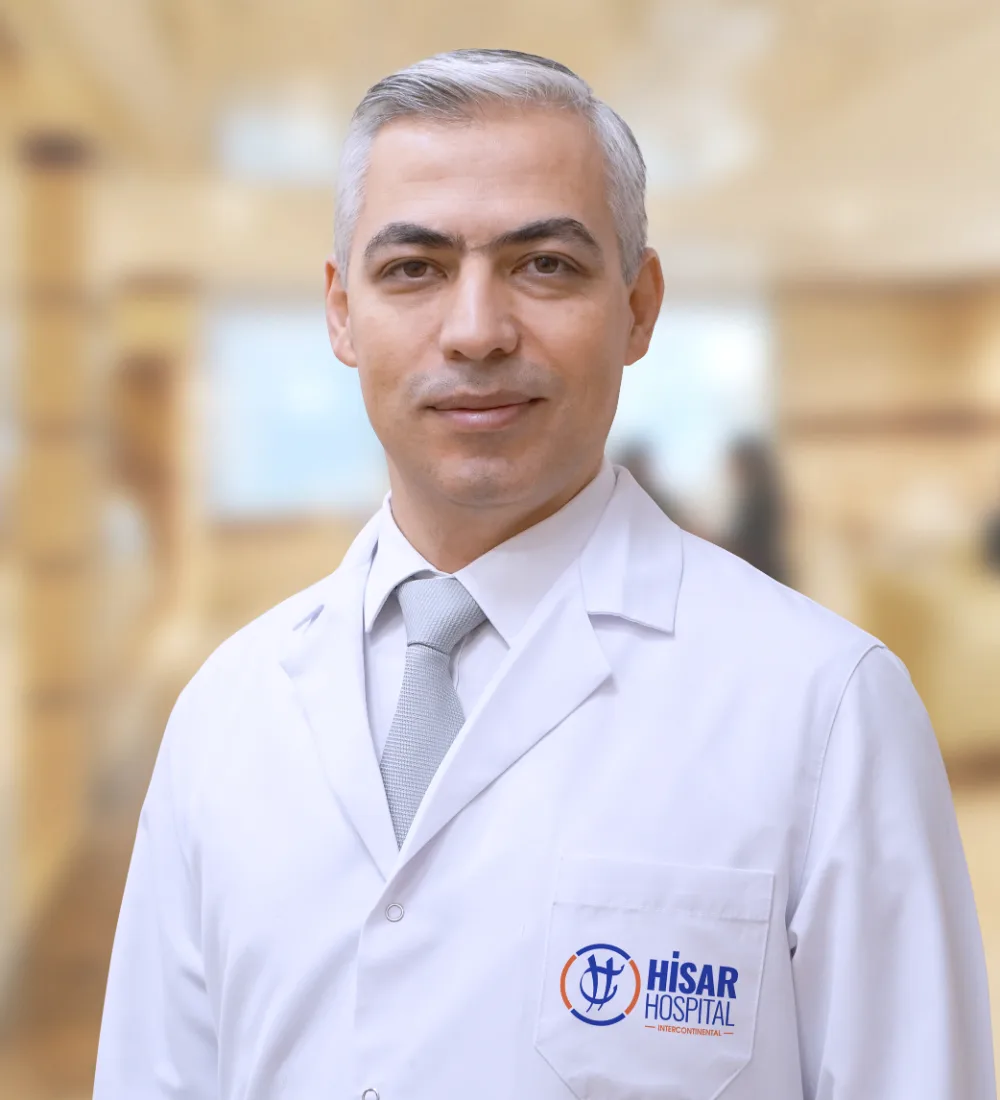 Assoc. Prof. Dr. S. Hilmi AksoyInterventional RadiologyReview date: 02 November 2026
Contact
Smoke-Free Living Clinic Department — Get in Touch
Fill out the form with your questions; our team will call you back as soon as possible.
The Hisar Hospital Web and Medical Editorial Board contributed to the development of this content. All content on this website is provided for general informational purposes only. Please consult a physician for the evaluation, diagnosis and treatment of your condition.
Last Updated: