



Brain PET Scan
A brain PET scan, medically known as positron emission tomography, is an advanced imaging technique used to examine the metabolic activities of the brain, that is, its functioning at the cellular level. Unlike structural details shown by X-rays or MRIs, this method reveals the functional state of the brain. It helps to understand not only what the brain looks like structurally but also how it works. During the examination, a low dose of radioactive material is administered to the body. This substance typically binds to a molecule used by cells, such as glucose. As the brain cells consume this substance, the scanning device visualizes this consumption, determining which areas are more active or where problems may exist. This allows for information to be gathered about various neurological issues, from brain tumors to epilepsy, Alzheimer’s to Parkinson’s disease.
What is a Brain PET Scan?
A brain PET scan is an advanced medical examination used to visualize the functional activities of the brain. This method measures how much energy brain cells consume, revealing which areas are actively working or where there is functional loss. For this purpose, a low dose of radioactive material is used, which is visualized with a special scanner according to its distribution in the brain tissue. Since PET scans track functional rather than structural traces of disease, they are crucial for detecting early-stage disorders.
When is a Brain PET Scan Used?
Brain PET is generally employed in situations where classical imaging methods fall short. This method is preferred especially when there is suspicion of functional disorders despite the brain appearing structurally normal. Functional losses that may be seen in the brain tissue during the early stages of neurodegenerative diseases like Alzheimer’s can be detected with PET.
Additionally, it is frequently used for pre-surgical evaluation to determine the source of seizures in epilepsy patients. It is also valuable in identifying the type and spread of brain tumors, distinguishing whether they are malignant or benign, or assessing residual tumor activity after treatment.
Why is a Brain PET Scan Performed?
A brain PET scan is performed to reveal details often missed by classical imaging methods. While techniques like MRI or CT show the shape of the brain structure, the arrangement of blood vessels, or the size of masses like tumors, PET shows how brain tissues function. This is particularly valuable in the early diagnosis of certain diseases because functional disorders can appear before structural changes.
Neurodegenerative diseases like Alzheimer’s are among the best examples of this. In such diseases, even when memory problems are just beginning, energy usage in certain areas of the brain starts to decline. The PET scan contributes to the diagnostic process by detecting this decline, allowing for preventive measures before the disease progresses. Similarly, in Parkinson’s disease, areas of the brain where dopamine levels have dropped can be mapped using PET.
PET also plays a significant role in evaluating brain tumors. Critical information such as whether a tumor is active, malignant, or benign can be obtained through this method. It can also be used for tracking brain metastases, evaluating residual tissues after radiotherapy, or determining the risk of recurrence after surgery. Identifying which brain region seizures originate from in epilepsy patients is another important application of PET. It is particularly used to pinpoint the exact location of the focus in patients suitable for surgery.
PET may even play a role in assessing some rare but complex psychiatric disorders. For example, in diseases like schizophrenia or advanced depression, differences in energy consumption in certain areas of the brain can be observed. This information can guide treatment planning.
How is a Brain PET Scan Performed?
A brain PET scan is performed in a comfortable and controlled environment for the patient. Before the procedure, the patient is usually required to fast for several hours. This is because the glucose level in the blood can affect the outcome of the procedure. Especially for diabetic patients, glucose regulation is closely monitored, and a special preparation protocol may be applied if necessary. The patient arriving at the hospital is first injected with a radioactive substance through an intravenous line. This substance is usually a glucose-like material called fluorodeoxyglucose (FDG), meaning the body perceives it as sugar and metabolizes it naturally. Brain cells take up this substance according to their energy needs. The most active areas consume this substance the most, making them appear brighter during imaging. To allow the radioactive material to distribute in the body, the patient is taken to a waiting room to rest for about 30 to 60 minutes. During this time, they are advised to avoid excessive physical or mental stimulation, as activities like talking, reading, or thinking can increase energy usage in the brain and affect the image. Therefore, the environment is generally quiet, dim, and calm.
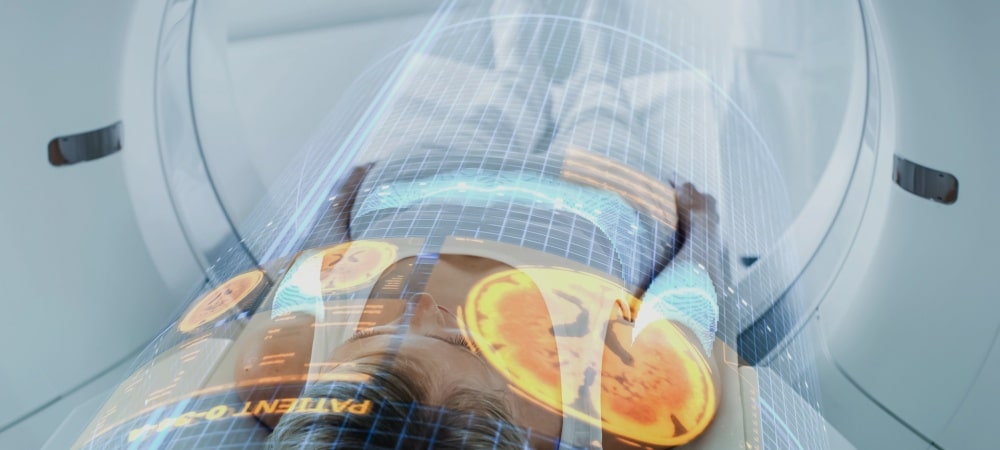
After the waiting period, the patient is taken to the room where the PET device is located. The device has a wide tunnel-like structure. The patient lies on their back on a stretcher, and their head is stabilized because even the slightest movement during the procedure can disrupt the clarity of the image. The patient feels nothing during the scan. There may be slight humming sounds while the device operates, but this is not uncomfortable for most people. The scanning process usually lasts between 20 and 45 minutes. During this time, the device detects how the radioactive material distributes in the brain tissue. Images are generated with the help of special software. After the procedure is completed, the patient can return to their daily life. To facilitate the faster elimination of the radioactive material from the body, it is recommended to drink plenty of fluids. Throughout this process, specialized healthcare personnel do not leave the patient alone. Information is provided at every step, and support is offered if necessary. The patient does not feel alone or anxious because the environment is specially designed for such procedures. After the procedure, the obtained data are analyzed by experienced nuclear medicine specialists, and the results are communicated to the physician.
Things to Consider After a Brain PET Scan
No special rest period is required after a PET scan. It is recommended to drink plenty of water to eliminate the radioactive material used in the procedure from the body. This substance is usually excreted through urine via the kidneys. In some centers, temporary precautions may be recommended regarding patients’ contact with small children or pregnant individuals. These situations may vary according to personal health history; therefore, it is important to heed the recommendations of your healthcare team after the procedure.
Frequently Asked Questions
What is a Brain PET Scan Used For?
A brain PET scan is primarily used for the diagnosis, monitoring, and evaluation of treatment response in neurological diseases. It is preferred to reveal functional disorders in epilepsy, Alzheimer’s, Parkinson’s, brain tumors, and, less frequently, some psychiatric disorders.
Is a Brain PET Scan Painful?
There is no pain felt during the scan inside the PET device. Although it is necessary to remain quiet and still, this is not uncomfortable.
Is a Brain PET Scan Harmful?
The radioactive material used in the PET scan is administered in very low doses and is usually eliminated from the body within a few hours. Although the radiation dose is higher than that of a standard X-ray, it is limited and controlled. If there is a medical necessity, the benefit is prioritized over the risk; however, special situations such as pregnancy and breastfeeding should be evaluated more sensitively.
Is Preparation Required Before a Brain PET Scan?
Generally, fasting for a while is requested before the procedure because the sugar level in the blood can affect image quality. Diabetic patients may have a special preparation protocol. It is also recommended to limit physical activity before the procedure.
How Long Does a Brain PET Scan Take?
The entire process, including the waiting time, can take approximately 1.5 to 2 hours. The imaging part alone usually lasts between 20 and 45 minutes.
When Will the Results of a Brain PET Scan Be Ready?
The results of a brain PET scan are usually ready within 1 to 3 business days, but depending on the center’s workload, the complexity of the images, and the evaluation process of the specialist physician, interpretation may take several weeks. This is because these images contain detailed information not only about the structure but also about brain functions. The nuclear medicine specialist analyzes the findings along with the clinical history and complaints. Especially in sensitive situations like epilepsy or tumors, the report is prepared in more detail.
Does a Brain PET Scan Show Brain Tumors?
It is very effective in evaluating the presence, size, and spread of brain tumors. It can also indicate whether the tumor is active or has shrunk in response to treatment. It is also used as a guide in planning before surgery or radiotherapy.
Is a Brain PET Scan Used for Alzheimer’s Diagnosis?
PET is a very valuable tool in the diagnosis of Alzheimer’s disease. Even in the early stages of the disease, a decrease in glucose consumption in the brain can be seen with PET. This allows for approaching the diagnosis before clinical symptoms become clear.
Is a Brain PET Scan Performed on Pregnant Women?
In general, a PET scan is not recommended during pregnancy because the radioactive material can cross the placenta and reach the fetus. If there is an absolute medical necessity, the condition of the pregnancy and the benefit/risk ratio is carefully evaluated before making a decision.
Which Department is a Brain PET Scan Done In?
This procedure is performed by nuclear medicine departments. The patient first consults branches such as neurology, oncology, or neurosurgery. If the relevant specialist decides that a PET scan is necessary, a referral is made.
A brain PET scan is a critical imaging method for the early diagnosis, treatment planning, and monitoring of neurological diseases. It guides the correct treatment by detecting functional changes in conditions such as Alzheimer’s, Parkinson’s, epilepsy, and brain tumors. To obtain information about preparation before the PET scan, the procedure process, and post-scan considerations, and to safely undergo the procedure, you can make an appointment with the Nuclear Medicine Department of Hisar Hospital here. Take the right step for your health and contact us for detailed information here.